



Lottery result announcements have become increasingly accessible with the development of digital platforms and online information services. In India, dear lottery sambad is a widely searched term among individuals interested in state-authorised lottery results, draw schedules, winning number announcements, and prize categories. Instead of depending entirely on printed newspapers, people can now access lottery-related information through smartphones and other digital devices.
However, understanding how lottery draws operate is equally important as checking their results. Lottery systems follow specific administrative procedures, eligibility requirements, prize distribution policies, and regional regulations. Participants should understand these conditions before making financial commitments or interpreting result announcements.
In 2026, digital accessibility continues to influence how people receive lottery information. Although technology makes checking results more convenient, verifying information through authorised sources remains essential. This comprehensive guide explains lottery draw systems, result formats, ticket verification, common misconceptions, and the importance of responsible participation.
Understanding the Meaning of dear lottery sambad
The term refers to lottery-related announcements associated with Dear Lottery schemes and their published results. The word Sambad means news or information, making it commonly associated with lottery result publications. These announcements generally contain information about selected ticket numbers, draw dates, prize categories, and other relevant details. People often search for this information to understand the outcome of a particular draw or review previously announced results.
Unlike investment products or traditional savings schemes, lotteries operate entirely on chance. Participants cannot control the outcome through mathematical calculations, personal experience, or previous results. Every authorised draw follows the conditions established for its particular lottery scheme. Understanding this distinction helps individuals develop realistic expectations and avoid misleading claims about guaranteed financial rewards.
How the Lottery Draw System Works in India
Lottery operations in India are governed by a legal framework that establishes conditions for organising and conducting state lotteries. The Lotteries (Regulation) Act, 1998, provides the foundation for regulating such activities, while individual states may introduce additional requirements within the applicable legal framework.
A lottery draw generally involves selecting winning ticket numbers according to an established procedure. Once the process concludes, the results are recorded and published through designated communication channels. Administrative supervision, documentation, and verification help maintain accountability. However, lottery availability and participation rules differ across states, meaning individuals should not assume that lottery sales are permitted everywhere in India.
India Code+1
Daily Lottery Draw Timings and Result Announcements
One reason people search for lottery information regularly is the availability of multiple draw sessions. Morning, afternoon, and evening announcements allow different lottery schemes to publish their results throughout the day. Nevertheless, schedules are subject to administrative decisions, public holidays, and changes introduced by organising authorities.
The following table presents commonly reported Dear Lottery result sessions. These timings are indicative rather than guaranteed and should be confirmed against the relevant official draw schedule.
| Draw Session | Commonly Reported Time (IST) | Information Published |
|---|---|---|
| Early daily draw | 1:00 PM | Winning numbers and prize categories |
| Evening draw | 6:00 PM | Session-specific lottery results |
| Night draw | 8:00 PM | Winning ticket details |
| Special draw | Variable | Scheme-specific announcements |
| Archived results | After publication | Historical draw information |
An important consideration when reviewing dear lottery sambad results is ensuring that the draw date and session match the information printed on the original ticket. Comparing numbers from different sessions can create unnecessary confusion, particularly when several announcements appear on the same day.
Digital Transformation of Lottery Information in 2026
The increasing use of smartphones has transformed how individuals access publicly available information. Lottery announcements that were once primarily distributed through printed publications can now appear in digital documents, mobile-friendly result pages, and electronic notices. This transformation has reduced geographical barriers to accessing information and made historical records easier to review.
However, digital convenience also creates challenges. Unauthorised publishers can reproduce outdated results, alter images, or distribute misleading notifications. A professionally designed page does not automatically establish credibility. Readers must distinguish between independent information publishers and government-authorised result announcements. Digital literacy has therefore become increasingly important for individuals reviewing lottery information in 2026.
Understanding Different Lottery Prize Categories
Lottery schemes generally contain several prize categories rather than a single winning amount. Depending on the scheme, there may be a principal prize, secondary prizes, smaller rewards, and other specified categories. Each category operates according to the conditions announced for that particular draw. Advertised prize amounts should never be interpreted as guaranteed earnings or predictable financial returns.
The actual financial amount received by an eligible winner may also differ from the advertised prize because of applicable taxation and administrative requirements. Individuals should understand that a prominently advertised amount represents a potential prize under specified conditions. It does not indicate the probability of winning or the overall financial value of purchasing lottery tickets.
Why Prize Structures Can Differ
Different lottery schemes may have different ticket quantities, prize distributions, administrative arrangements, and eligibility conditions. Special draws may also operate under separate conditions from regularly scheduled draws. Consequently, comparing two schemes solely on their advertised first prize provides an incomplete understanding of how they function.
Understanding Lottery Result Verification
Result verification involves establishing whether a published announcement is authentic and relevant to the particular draw. People reviewing dear lottery sambad information should recognise that social media screenshots, forwarded messages, and unofficial publications may contain errors. Even a minor difference in a ticket number, date, or series can affect the interpretation of the result.
An authentic result announcement should provide enough identifying information to distinguish it from other draws. The organising authority, publication date, scheme name, and corresponding session are important details. When information from multiple publications differs, the authorised announcement should take precedence. Individuals should avoid making financial decisions or sharing confidential information based on an unverified notification.
Important Information Found in Lottery Result Sheets
A lottery result sheet typically contains several administrative details alongside the announced numbers. These details help distinguish one draw from another and provide context for the published outcome. Understanding the document’s structure reduces the possibility of misinterpreting unrelated numbers or confusing historical information with current announcements.
Common information found in lottery result publications includes:
-
Official draw date and session information.
-
Lottery scheme name and identifying details.
-
Published winning ticket numbers.
-
Applicable prize categories and amounts.
-
Administrative notices and relevant conditions.
The exact presentation may vary depending on the organising authority. Some documents use structured tables, while others organise numbers into separate sections. Regardless of the format, accuracy remains more important than visual presentation or publication speed.
The Difference Between Regular and Special Lottery Draws
Regular lottery draws follow established schedules and typically operate under recurring scheme conditions. Their announcements may appear at consistent intervals, although individual schedules can change. Special draws, sometimes associated with festivals or significant occasions, may feature different prize arrangements and administrative requirements.
The distinction is important because information from a regular draw may not apply to a special draw. Readers should avoid assuming that every scheme follows identical procedures or offers the same financial rewards. Larger advertised prizes may attract considerable attention, but they do not eliminate the uncertainty associated with random selection. The underlying nature of a lottery remains unchanged regardless of its promotional presentation.
Why Accurate Lottery Result Information Matters
Accuracy is essential whenever published information relates to financial claims. An incorrectly reported number can create false expectations, unnecessary stress, and misunderstandings. In some circumstances, misleading announcements may also become part of fraudulent schemes designed to collect personal information or demand unauthorised payments.
Reliable reporting should distinguish confirmed announcements from incomplete or preliminary information. Publishers should correct errors promptly and avoid presenting speculation as fact. For readers, understanding this difference helps establish realistic expectations about digital information services. The search for fast updates should never come at the expense of authenticity, privacy, or financial safety.
Common Misconceptions About Lottery Number Predictions
One of the most persistent misconceptions surrounding lotteries is the belief that previous winning numbers can predict future outcomes. Some individuals study historical announcements, compare numerical sequences, or search for frequently appearing digits. Although these activities may reveal patterns within historical data, they do not establish a dependable method for predicting future random selections.
For example, a number appearing repeatedly in previous draws does not necessarily have a higher probability of appearing again. Similarly, a number that has not appeared for a considerable period is not automatically more likely to be selected next. These assumptions reflect misunderstandings about randomness and probability.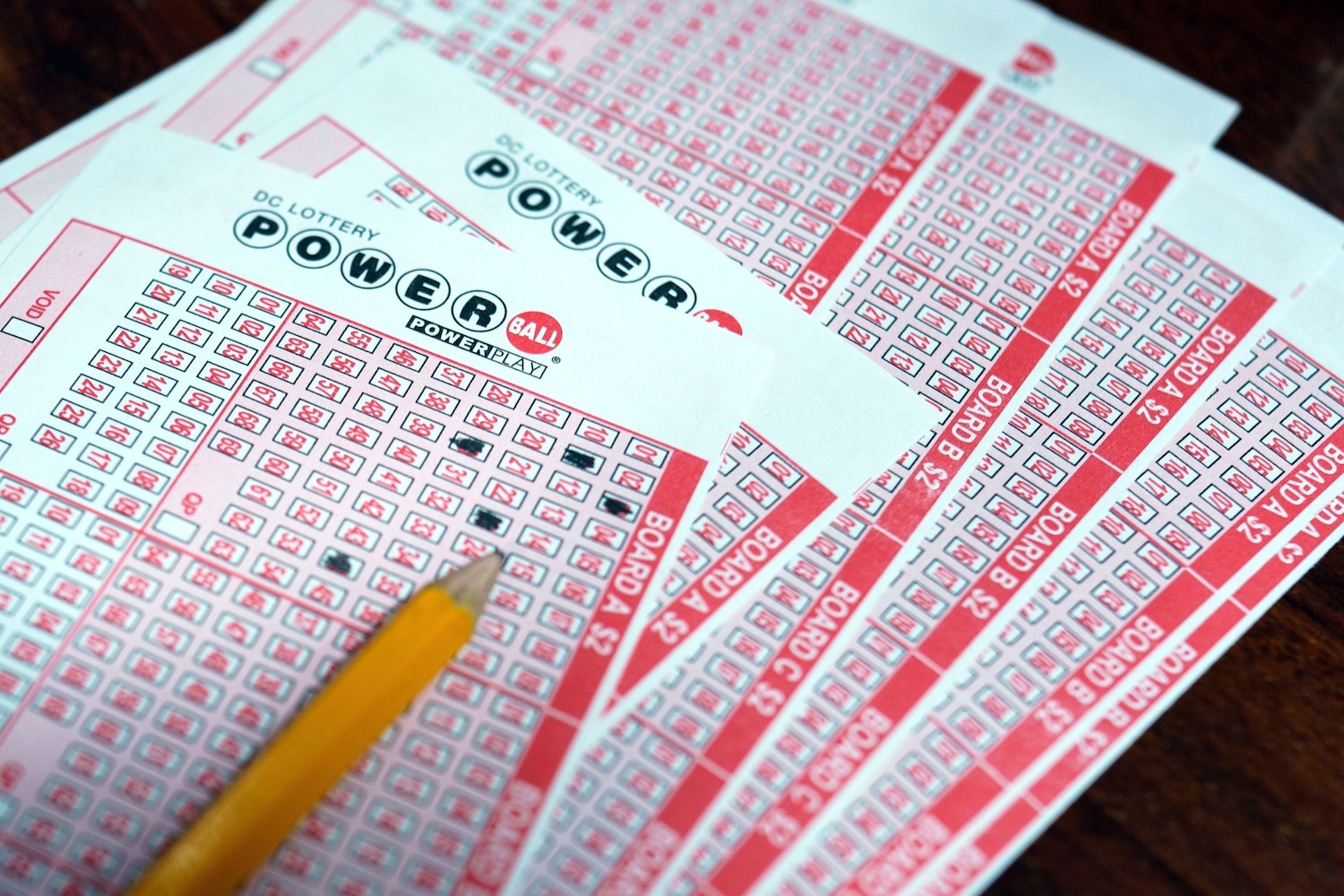
Can Artificial Intelligence Predict Lottery Results?
Artificial intelligence can organise historical information, recognise patterns, and summarise large datasets. However, it cannot reliably predict the outcome of a properly conducted random lottery draw using previous results alone. Services claiming guaranteed winning numbers through advanced algorithms should therefore be treated with considerable caution.
Recognising Fake Lottery Announcements and Online Scams
Digital lottery-related fraud remains an important concern in 2026. Fraudsters may create false prize notifications, impersonate government representatives, or distribute messages claiming that recipients have won unexpected rewards. These communications often attempt to collect sensitive information or persuade individuals to transfer money.
People searching for dear lottery sambad may encounter misleading advertisements or unofficial messages designed to appear trustworthy. Fraudulent operators frequently create artificial urgency, suggesting that a supposed prize will expire unless immediate action is taken. Such pressure should be recognised as a potential warning sign rather than proof of legitimacy.
Common indicators of lottery-related fraud include:
-
Unexpected messages announcing prizes without valid participation.
-
Demands for advance processing or registration payments.
-
Requests for banking passwords, PINs, or verification codes.
-
Guaranteed winning number predictions.
-
Pressure to share confidential documents immediately.
Individuals encountering suspicious communications should avoid responding, transferring money, or providing sensitive personal information.
The Importance of Protecting Personal and Financial Information
Personal data protection has become increasingly important as more information services move online. Lottery-related platforms may request personal details for various stated purposes, but individuals should carefully evaluate whether such requests are legitimate and necessary. Information such as identification numbers, banking credentials, and confidential verification codes requires particular protection.
Unverified applications may collect information beyond what is required to display public announcements. Similarly, fraudulent registration forms can expose users to identity theft and financial manipulation. Maintaining strong passwords, reviewing application permissions, and avoiding unfamiliar attachments are sensible digital safety practices. Protecting personal information should remain a priority regardless of the potential financial reward being advertised.
Historical Lottery Results and Their Informational Value
Historical result archives provide records of previously announced lottery outcomes. Researchers, publishers, and interested readers may examine these archives to understand publication formats, historical prize structures, or changes in draw schedules. Digital storage makes these records more accessible than traditional printed collections.
Nevertheless, historical dear lottery sambad results should be understood as documentation rather than predictive information. Past winning numbers do not provide reliable evidence about future selections. Archived information is primarily useful for reviewing previous announcements and understanding administrative patterns. Treating historical data as a guaranteed prediction system can encourage unrealistic expectations and potentially harmful financial decisions.
Legal Considerations Surrounding Lotteries in India
Lottery regulations in India involve both central legislation and state-level administrative authority. The national regulatory framework establishes general conditions, but state governments have powers relating to lottery operations and restrictions. Consequently, a lottery scheme available in one region may not necessarily be permitted in another.
Individuals should remain aware of applicable regional requirements and recognise that online access to lottery information does not automatically establish legal permission to purchase tickets. Websites, mobile applications, and advertisements can cross geographical boundaries even when the underlying activity is restricted in certain locations. Legal awareness is therefore an essential part of understanding India’s lottery environment.
Understanding Taxation and Financial Implications
Lottery winnings may be subject to taxation under applicable Indian tax laws. The advertised prize amount should not automatically be regarded as the final amount available to a winner. Tax obligations, documentation requirements, and other applicable financial conditions may influence the eventual payment.
Taxation rules can change, making it important to obtain current information from qualified professionals or relevant authorities when dealing with a substantial financial claim. Winners should also recognise the importance of financial planning, particularly when receiving an unexpected amount of money. Sudden financial changes can create challenges when spending decisions are made without considering long-term requirements.
Why Financial Planning Is Important
Unexpected financial rewards do not automatically provide permanent financial security. Individuals still need to consider essential expenses, existing debts, emergency savings, taxation, and future responsibilities. A structured approach to managing money is generally more sustainable than depending on uncertain financial opportunities.
Responsible Participation and Financial Awareness
Responsible financial behaviour begins with understanding the difference between entertainment spending and wealth creation. Lotteries involve financial risk, and there is no assurance that the money spent on tickets will be recovered. Repeated participation can gradually create significant expenses, even when individual transactions appear relatively small.
Individuals should never depend on lottery participation to manage household expenses, repay loans, or achieve essential financial goals. Attempting to recover previous losses through additional spending can further increase financial difficulties. Sustainable financial progress generally depends on realistic budgeting, consistent savings, employment income, and informed financial decisions rather than unpredictable outcomes.
Recognising emotional responses is equally important. Feelings of excitement, disappointment, or anticipation can influence spending behaviour. Anyone experiencing difficulty controlling lottery-related expenses should consider stopping participation and seeking appropriate support.
How Mobile Technology Influences Lottery Reporting
Mobile-friendly publishing has made information more accessible to individuals using smartphones and tablets. Modern result pages may feature responsive layouts, searchable archives, and notifications designed to improve the reading experience. These developments reduce the need to depend on traditional printed publications.
However, notification-driven environments can also encourage excessive checking and create unnecessary pressure. Frequent alerts may make random financial events appear more urgent than they actually are. Users should maintain control over their notification preferences and recognise that repeatedly monitoring lottery announcements does not influence draw outcomes. Technology should support informed access to information rather than encourage unhealthy behavioural patterns.
The Future of Lottery Information Services
The future of lottery-related reporting may involve improved document accessibility, stronger authentication measures, and more transparent digital communication. As online publishing technologies develop, information providers may introduce better methods for distinguishing confirmed announcements from unofficial copies.
Cybersecurity will remain an important consideration because financial information frequently attracts fraudulent activity. Improved verification standards and public awareness can help reduce the risks associated with misleading publications. Nevertheless, technological improvements will not change the fundamental uncertainty of lottery outcomes. Responsible reporting should continue to emphasise accuracy, transparency, and realistic financial expectations.
Frequently Asked Questions
1. What is the meaning of Lottery Sambad?
Lottery Sambad refers to lottery news and published result information. It commonly includes draw announcements, selected ticket numbers, prize categories, and historical records associated with particular lottery schemes.
2. Are lottery results announced every day?
Several lottery schemes follow regular announcement schedules. However, the frequency of draws depends on the organising authority, applicable regulations, and individual scheme conditions. Schedules may also change.
3. Can previous lottery results help predict future winning numbers?
No. Historical results cannot reliably predict future outcomes in a properly conducted random lottery. Previous numerical patterns should not be interpreted as guarantees of future selections.
4. Is dear lottery sambad information always accurate?
Accuracy depends on the original source and the publisher’s verification process. Unofficial announcements may contain outdated information, incorrect numbers, or misleading claims. Government-authorised publications should take precedence.
5. Are lottery winnings taxable in India?
Lottery winnings may be subject to applicable Indian taxation rules. The final amount received can differ from the advertised prize depending on relevant tax obligations and administrative conditions.
6. Are lotteries legal in every Indian state?
No. Lottery availability and permitted activities vary across Indian states. Individuals must consider applicable regional regulations rather than assuming that lottery participation is universally authorised.
7. Can lottery participation provide a regular income?
No. Lottery outcomes are unpredictable, and participation cannot guarantee consistent earnings. Depending on lotteries for essential financial requirements can create considerable financial risk.
Conclusion
Lottery information services have become more accessible through digital technology, allowing readers to review announcements, understand prize structures, and examine historical records more conveniently. However, accessibility should be accompanied by accuracy, legal awareness, personal data protection, and responsible financial behaviour.
Understanding lottery systems also means recognising their limitations. Historical results, artificial intelligence, numerical patterns, and promotional claims cannot guarantee future winning numbers. Individuals should remain cautious about suspicious messages, misleading advertisements, and services promising predictable rewards.
Ultimately, informed decision-making is more valuable than unrealistic financial expectations. Recognising the role of chance, protecting confidential information, and prioritising long-term financial stability are essential when engaging with lottery-related information in 2026 and beyond.


