

Introduction
Lotteries have attracted public attention in India for many years because they offer participants an opportunity to win prizes through a system based on chance. With the increasing use of smartphones and online information platforms, people can now find lottery-related announcements, previous results, draw information and other updates without depending entirely on printed newspapers. Among the commonly searched terms in this category, lottery sambad lottery sambad reflects the interest of people looking for lottery results, schedules and information about different draws.
The growing popularity of digital searches has also changed how people approach lottery information. Instead of waiting for someone to share a result, readers often prefer checking available updates independently. However, finding a result online is only one part of the process. Understanding the draw, identifying the correct date, checking ticket details and knowing the official verification procedure are equally important. This guide explains the subject in a straightforward way, helping readers understand how lottery information works and what precautions they should follow.
What Is Lottery Sambad and Why Is It Popular?
Lottery Sambad is a commonly searched term associated with lottery results and draw-related information in India. People generally use this search phrase when they want to understand the outcome of a particular draw, check winning numbers or explore information about lottery announcements. Its popularity is connected to the convenience of digital information, as readers can search for updates using their mobile phones, tablets or computers.
One reason people frequently search for lottery information is the straightforward nature of the draw system. Participants purchase eligible tickets where permitted, wait for the announced draw and compare their ticket details with the published result. The process may appear simple, but accurate information is essential at every stage. A result belonging to a different date or draw cannot be used to verify a ticket from another draw. Therefore, readers should always pay attention to the draw name, date and ticket number before reaching a conclusion.
Another important factor behind the popularity of lottery sambad lottery sambad searches is the availability of digital result pages. These platforms may organise information by date, draw category and prize position, making it easier for readers to understand published outcomes. Nevertheless, a result displayed on an independent website should not automatically be treated as an official confirmation. The relevant state lottery department remains the appropriate authority for verifying the final result and prize-related procedures.
How Lottery Results Work
A lottery is generally a prize distribution system in which winning tickets or entries are selected through a process based on chance. In a government-regulated lottery, the organising state determines the draw procedure, ticket arrangements, prize structure and other relevant conditions. The draw produces an outcome that is subsequently communicated through the designated publication channels.
The result normally contains information about different prize categories. Depending on the particular lottery, there may be a first prize, second prize, third prize and several smaller prize categories. Each category has its own winning criteria, and participants must compare their ticket details with the applicable conditions. A ticket number that appears in one category should not be assumed to qualify for another category without checking the published rules.
Understanding Different Prize Categories
Prize categories help organise the result and explain how rewards are distributed. The first prize generally represents the highest advertised reward in a particular draw, while other categories provide smaller amounts according to the lottery’s published structure. Some draws may also include consolation or additional prizes.
The prize amount, eligibility requirements and number of winners can differ between lottery schemes. For this reason, readers should avoid relying on information from an unrelated draw when checking their tickets. A clear understanding of the specific lottery’s prize structure makes the verification process easier and reduces unnecessary confusion.
How to Check the Latest Lottery Information
Checking lottery information requires attention to detail. Many people search for lottery sambad lottery sambad because they want quick access to the latest available results. However, speed should never become more important than accuracy. A reliable checking process begins by identifying the exact lottery and the date on which its draw was scheduled.
After identifying the correct draw, readers should examine the published result carefully. They should compare the complete ticket number rather than relying on a few matching digits. Even when a number appears similar, the complete ticket details and the applicable prize conditions determine whether it qualifies for a particular reward.
The following basic steps can make the process more organised:
- Identify the correct lottery name and draw date.
- Check the complete winning ticket number.
- Compare the number with the relevant prize category.
- Verify the result through the authorised lottery department.
It is also useful to retain the original ticket and any related purchase information. Screenshots of online results can help with personal reference, but they do not replace the original ticket or official verification documents.
Important Information to Understand Before Checking Results
Lottery results should always be interpreted in the context of their individual draw. Different lotteries may have different names, schedules and prize arrangements. Even when two results are published on the same day, their winning numbers and prize structures are not interchangeable.
For example, imagine that a person has purchased a ticket for a particular evening draw. While checking online information, the person comes across a result published for an afternoon draw. Both results may appear on the same website, but they belong to separate events. Comparing the ticket against the wrong result could create unnecessary confusion.
This is why lottery sambad lottery sambad should be treated as a search term for finding information rather than as confirmation that a particular number has won. The actual outcome must always be established using the correct draw documentation.
Common Information Available in Result Reports
Most organised result reports are designed to present important details in a readable format. Although the exact presentation differs between platforms, readers may come across the following information.
| Information | What It Means |
|---|---|
| Draw name | Identifies the particular lottery event |
| Draw date | Shows when the draw took place |
| Winning number | Displays the selected ticket number |
| Prize category | Identifies the applicable reward level |
| Prize amount | Indicates the advertised prize value |
| Result document | Provides a record for checking the published outcome |
These details help readers understand the result without confusing one draw with another. However, the information displayed by an independent result platform should be compared with the relevant official publication whenever possible.
Lottery Sambad and the Importance of Government Regulations
Lottery activities in India are governed by legal provisions that determine how lotteries can be organised and conducted. The Lotteries (Regulation) Act, 1998 provides the central framework for government-organised lotteries. Under this legislation, state governments may organise lotteries subject to specified conditions.
The law includes requirements concerning ticket authenticity, the conduct of draws, the handling of proceeds and the distribution of unclaimed prize money. It also gives states the authority to prohibit the sale of tickets belonging to lotteries organised by other states within their territories. This means that lottery availability and permitted participation can differ depending on the state.
Consequently, readers should not assume that a lottery legally available in one state can automatically be purchased or participated in everywhere in India. Checking the applicable state rules is an important part of responsible participation.
Why Official Verification Matters
Official verification protects participants from inaccurate information and misleading claims. An independent website may provide convenient result summaries, but it may not have the authority to approve a prize claim or determine whether a ticket is eligible for payment.
A genuine winning ticket must satisfy the requirements of the relevant lottery scheme. These may include submitting the original ticket, providing identification documents, completing claim forms and meeting the specified deadline. The exact requirements depend on the organising authority and the applicable rules.
Readers should also remember that a published result and an approved prize claim are two different things. The first communicates the draw outcome, while the second involves verification by the responsible authority.
The Role of Digital Platforms in Lottery Updates
Digital platforms have made lottery-related information easier to access. In the past, readers often depended on printed announcements, local distributors or newspapers to learn about results. Today, search engines and online information services allow people to find previous results and general draw information from different devices.
The convenience of digital platforms is particularly useful for people who want to compare results from different dates. Many websites arrange their information in chronological order, allowing visitors to find earlier announcements without searching through multiple printed publications. Some platforms also provide downloadable result documents or images for reference.
However, not every website follows the same verification standards. Some may publish information quickly, while others may update their pages after a delay. There can also be differences in formatting, spelling or the presentation of winning numbers. Therefore, readers should avoid assuming that every search result is equally reliable.
The increasing interest in lottery sambad lottery sambad also demonstrates how people use specific search phrases to find information. For website owners and publishers, this creates an opportunity to produce informative content that explains result verification, lottery regulations and responsible participation rather than simply repeating winning numbers.
Common Mistakes People Should Avoid
Although checking a lottery result appears straightforward, several common mistakes can lead to misunderstandings. One frequent mistake is checking the wrong draw date. A result published for the previous day may remain visible online, and readers who do not examine the date carefully might accidentally compare their tickets against an outdated announcement.
Another mistake is checking only the final few digits of a ticket. Partial similarities do not necessarily indicate a winning result. Participants must follow the complete matching requirements for the particular prize category. They should also avoid accepting unofficial messages claiming that a ticket has won a large amount without proper evidence.
Some people also rely on predictions, suggested numbers or historical patterns when making lottery decisions. It is important to understand that a properly conducted random lottery draw cannot be reliably predicted by analysing previous winning numbers. Past results do not guarantee future outcomes.
Other mistakes worth avoiding include:
- Trusting messages that demand advance payments to release prize money.
- Sharing banking passwords, PINs or one-time passwords with strangers.
- Ignoring the official prize claim deadline.
- Purchasing tickets from unauthorised sellers.
Being careful about these issues can help readers avoid unnecessary financial and personal risks.
Responsible Participation and Financial Awareness
Lotteries are based on chance, which means there is no guaranteed method of winning. This is an important point for anyone considering participation. A previous win, a sequence of similar numbers or a prediction shared online cannot establish that a particular ticket will win in a future draw.
Financial awareness should remain a priority. People should never use money intended for household expenses, education, healthcare or essential savings to purchase lottery tickets. Participation, where legally permitted, should be treated as entertainment rather than a reliable source of income.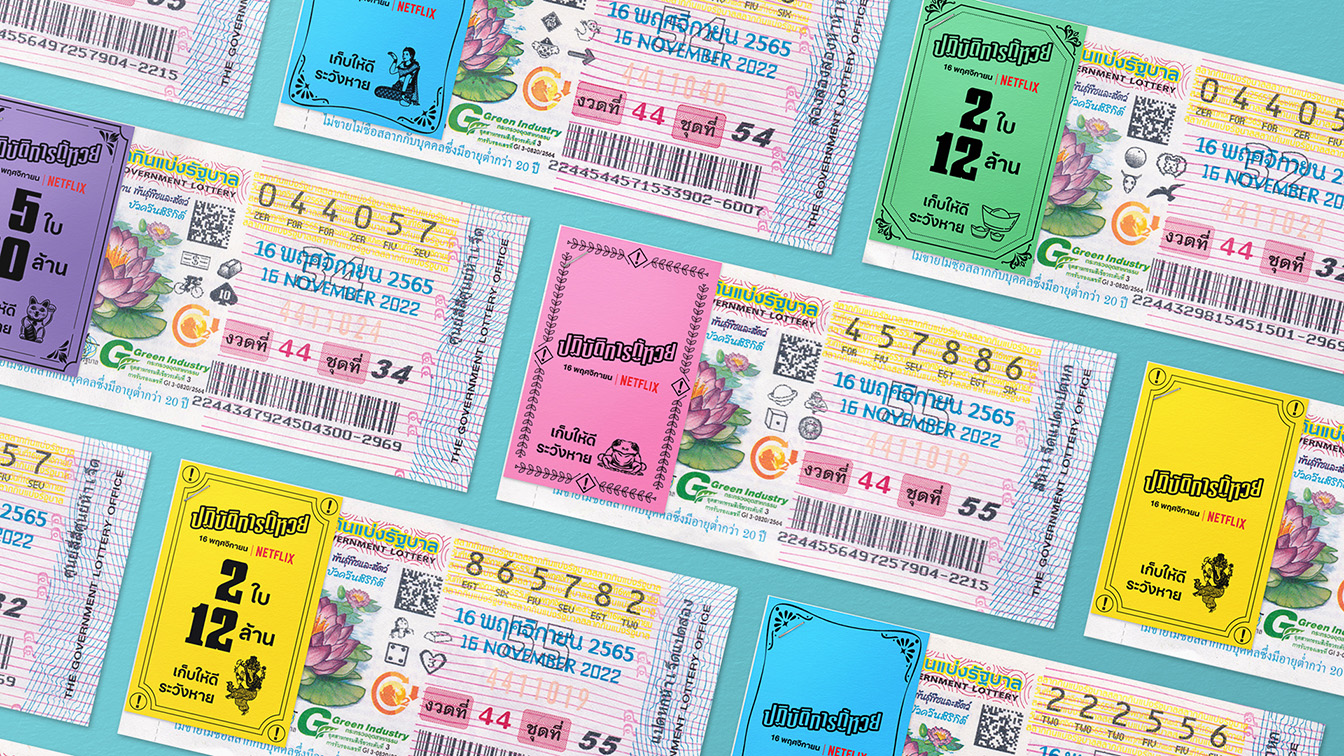
It is equally important to recognise when lottery-related activity is becoming difficult to control. Repeated spending in the hope of recovering earlier losses can create financial pressure. Setting a strict personal spending limit and avoiding borrowing for lottery participation are sensible precautions.
Readers searching for lottery sambad lottery sambad should also be cautious about websites and individuals advertising guaranteed winning numbers. No legitimate prediction can remove the uncertainty involved in a random draw. Claims of guaranteed profits should therefore be treated with considerable suspicion.
How to Identify Reliable Lottery Information
Finding trustworthy information is one of the most important parts of following lottery announcements. A professional-looking website does not necessarily mean that its information has been officially approved. Readers should examine the source of the information and understand whether the website represents a government lottery department or an independent information service.
The first step is to look for clear details about the organising authority. Genuine government lottery information should be connected to the relevant state department or its officially recognised publication system. Readers should also check whether the result contains a clear draw date, scheme name and complete winning details.
Another useful practice is comparing information from multiple sources without treating popularity as proof of accuracy. If two websites display different winning numbers, readers should not guess which one is correct. Instead, they should refer to the official result document issued by the organising authority.
A reliable information platform should explain its sources, avoid unrealistic winning promises and present results without creating unnecessary pressure. It should also make the difference between general information and official prize confirmation clear.
What Should You Do If Your Ticket Appears to Be a Winner?
Discovering that a ticket number appears in a winning category can be exciting. However, participants should remain patient and complete the official verification process before making financial decisions. The first step is to preserve the original ticket in good condition and avoid writing over, damaging or altering important printed information.
Next, the participant should confirm the winning number against the official result for the correct draw. The lottery department’s published instructions should then be checked to understand the prize claim procedure. Depending on the scheme, the participant may need to submit the original ticket, identity documents, bank information and other required paperwork.
Claim deadlines are particularly important. A winning ticket may become ineligible for payment if the participant does not complete the required procedure within the prescribed period. Therefore, anyone who believes they have won should contact the authorised lottery office or follow the official claim instructions promptly.
Participants should never pay an unknown individual who promises to arrange a prize claim. Genuine procedures must be confirmed through the organising authority, and sensitive financial information should only be shared through legitimate and secure channels.
The Future of Online Lottery Information
The way people access lottery-related information is likely to continue changing as digital technology develops. Faster internet connections, improved mobile experiences and more organised online publications can make result information easier to understand. Readers increasingly expect clear layouts, searchable archives and information arranged according to draw dates.
For publishers, the focus should be on accuracy, transparency and useful explanations. Simply publishing a number without explaining its draw details may not provide enough value to readers. Informative articles that discuss regulations, verification procedures and responsible participation can help audiences understand the subject more effectively.
Search behaviour is also becoming more specific. People may use combinations of words such as lottery names, dates, result categories and location-based terms to find relevant information. This makes it important for online publishers to organise content around genuine reader requirements instead of repeating the same keyword unnecessarily.
In the long term, trustworthy information will remain more valuable than sensational headlines or unsupported claims. Readers benefit when digital platforms distinguish between verified announcements, historical information and general explanations.
Conclusion
Lottery information has become easier to access through digital platforms, but accuracy and responsible participation remain essential. Understanding the draw date, checking the complete ticket number, recognising prize categories and following official verification procedures can help readers avoid common mistakes. It is equally important to understand that lotteries depend on chance and should never be considered a guaranteed way to earn money.
The growing search interest in lottery sambad lottery sambad highlights the demand for convenient information about results and draw-related updates. However, readers should always distinguish independent information platforms from official lottery authorities. By following applicable state regulations, protecting personal information and maintaining sensible financial limits, people can approach lottery-related information with greater awareness and confidence.


