


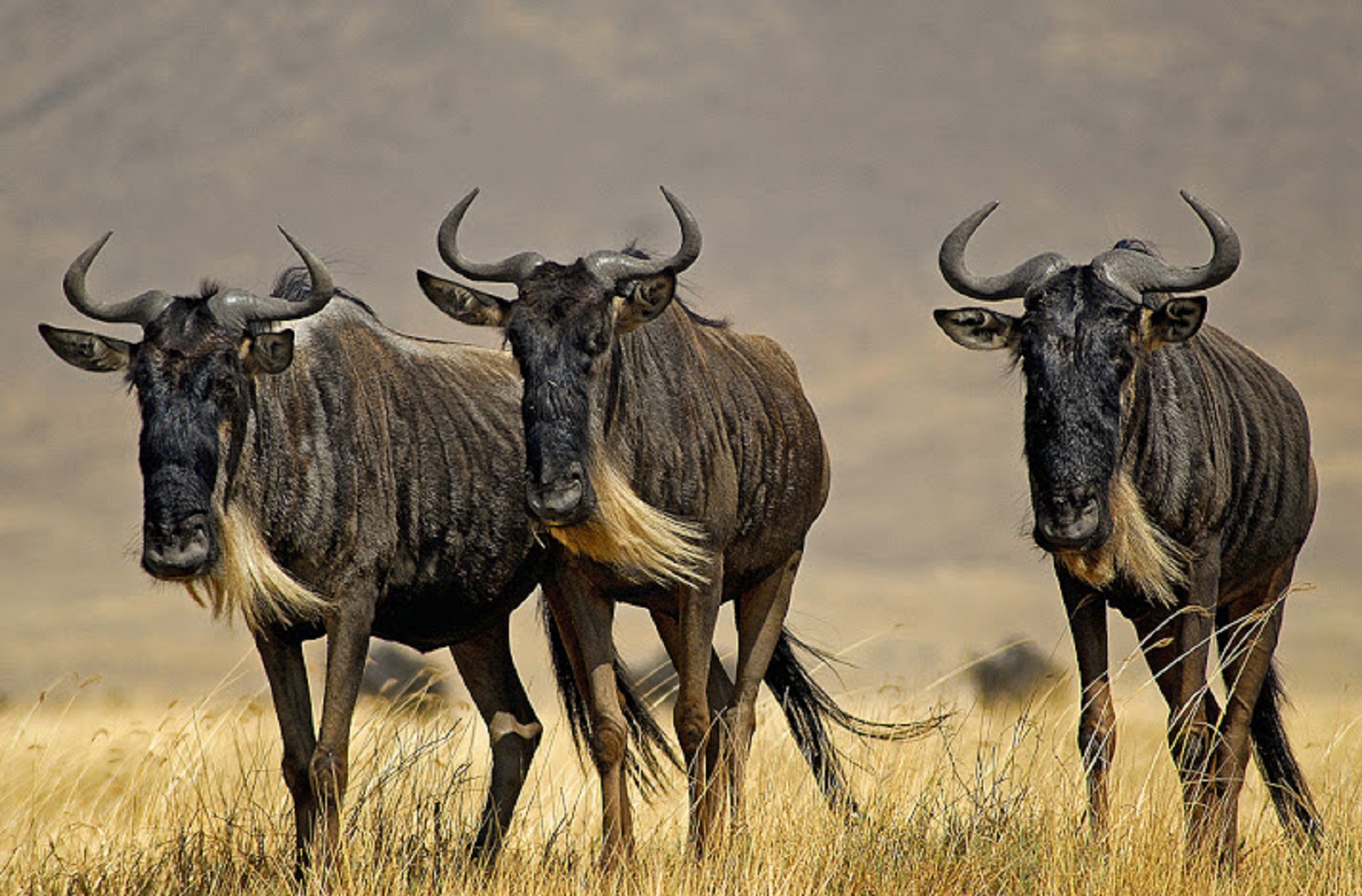
The wildebeest migration in Masai Mara is one of the world’s most remarkable wildlife spectacles. Every year, enormous herds of wildebeest, accompanied by zebras and other grazing animals, move through the interconnected Serengeti–Mara ecosystem in search of fresh grass and water. When the herds reach Kenya’s Maasai Mara, the landscape becomes a stage for dramatic wildlife encounters, spectacular river crossings, and intense predator activity. Kenya’s National Tourism Service describes the Great Migration as one of the country’s most iconic safari experiences.
The Great Migration Explained
The Great Migration is not a single event occurring on a specific day. It is a continuous ecological cycle shaped by seasonal rainfall, fresh grass, water availability, and the natural movement of grazing animals. The Serengeti–Mara ecosystem extends across northern Tanzania and southwestern Kenya, allowing the herds to move between different grazing areas throughout the year.
More than a million wildebeest, together with large numbers of zebras and gazelles, participate in this enormous seasonal movement. The animals follow the availability of nutritious pasture and water, creating a constantly changing pattern of movement across the plains. The migration is therefore much larger than the famous river crossings often seen in photographs.
When Does the Migration Reach the Maasai Mara?
The main migration season in the Maasai Mara is generally associated with July through October. However, the exact timing changes every year because the animals respond to rainfall, grass growth, water levels, and environmental conditions rather than a fixed calendar.
July often marks the beginning of the major movement into the Mara ecosystem, while August and September can provide excellent opportunities to witness large concentrations of wildebeest and possible river crossings. By October, some herds may begin moving south toward the Serengeti as seasonal conditions change.
For travelers planning a migration safari, flexibility is essential. There is no guaranteed date for the arrival of the herds or for a river crossing. This unpredictability is part of what makes the experience genuinely wild and authentic.
The Dramatic Mara River Crossings
The Mara River crossings are among the most famous moments of the Great Migration. When herds reach the river, thousands of wildebeest may gather along the banks. They can hesitate for long periods before one animal finally enters the water, encouraging others to follow.
Once a crossing begins, the scene can become remarkably intense. Large numbers of animals descend steep riverbanks, swim through strong currents, and climb the opposite bank. The river presents natural dangers, including crocodiles, deep water, steep banks, exhaustion, and crowd pressure.
Importantly, not every herd crosses when visitors expect it to. Animals may gather at the river, retreat, move to another location, or suddenly begin crossing without warning. The river crossing is a natural event rather than a scheduled performance.
Predators Follow the Herds
The arrival of enormous numbers of wildebeest transforms the Maasai Mara ecosystem. Migrating herds provide abundant prey for some of Africa’s most impressive predators. Lions, cheetahs, leopards, hyenas, and crocodiles may all take advantage of the seasonal abundance.
For safari visitors, this creates opportunities to observe the complex relationship between predator and prey. A pride of lions resting near a migration route, cheetahs scanning the grasslands, or hyenas following a herd demonstrates how closely the lives of different species are connected.
The migration also supports scavengers and other wildlife, making the Mara exceptionally active during the season.
A Paradise for Wildlife Photographers
The Maasai Mara migration is a dream experience for wildlife photographers. Vast herds moving across golden grasslands provide opportunities for dramatic wide-angle images, while individual animals can create intimate wildlife portraits.
Early morning and late afternoon are particularly rewarding because soft natural light enhances the colors and textures of the landscape. Photographers can capture silhouettes, dust clouds, herd movement, predator encounters, and the dramatic atmosphere surrounding the Mara River.
A professional photography safari should prioritize patience and responsible positioning. Experienced guides understand animal behavior and can help photographers find strong viewing locations without unnecessarily disturbing wildlife.
Conservation and Responsible Tourism
The migration depends on healthy grasslands, functioning rivers, and connected wildlife corridors. Protecting these habitats is therefore essential to the future of the Mara–Serengeti ecosystem. Kenya Wildlife Service has emphasized the importance of protecting wildlife corridors and dispersal areas that support both migratory and resident species.
Visitors also have an important role. Travelers should follow reserve regulations, maintain appropriate distances, avoid disturbing animals, and respect the instructions of professional guides. Responsible tourism helps ensure that future generations can continue to experience this extraordinary natural phenomenon.
Planning a Maasai Mara Migration Safari
Travelers hoping to witness the migration should consider spending several days in the Maasai Mara rather than planning a short visit. More time increases the opportunity to observe changing herd movements, predators, landscapes, and potentially river crossings.
Choosing an experienced safari operator and knowledgeable guide is equally important. A good guide can monitor wildlife movements, select suitable routes, and provide valuable insight into animal behavior and the ecosystem.
Conclusion
The wildebeest migration in Masai Mara represents nature on an immense scale. The sight of thousands of animals moving across the savannah, gathering beside the Mara River, and responding to the changing seasons offers a powerful reminder of the complexity and resilience of the natural world.
For wildlife enthusiasts, photographers, and adventure travelers, experiencing the migration is an unforgettable African safari. Although no guide can guarantee a river crossing or a particular wildlife encounter, the uncertainty makes every moment more authentic. With careful planning, expert guidance, and responsible tourism, a Maasai Mara migration safari can become one of the most extraordinary wildlife experiences of a lifetime.


