



Old lottery sambad information can be useful for people who want to review previous lottery results, compare draw dates, or understand how historical records are organized. Past results are generally consulted for reference rather than as a guarantee of future outcomes. Since every lottery draw is an independent event, examining previous numbers cannot reliably predict what will appear in a later draw.
When looking at old lottery records, accuracy and the date of the draw are particularly important. A result should always be connected with the correct draw time, series, and prize category. This makes historical information easier to verify and reduces confusion between morning, afternoon, and evening results or between different draw dates.
Why Past Lottery Results Matter
The main value of historical lottery information is record keeping. People may want to confirm a ticket from an earlier date, review a missed result, or understand how a particular draw was reported. An old lottery sambad record can provide a useful reference when someone no longer remembers the winning number or wants to compare information with a previously purchased ticket.
Historical results can also help readers understand the basic structure of lottery announcements. A typical result may include a draw date, draw time, winning numbers, prize categories, and other identifying information. Knowing how these details are presented makes it easier to read both recent and older results.
However, historical records should not be interpreted as a forecasting system. A number appearing several times in previous draws does not become more or less likely simply because of its past frequency.
How to Read an Old Lottery Sambad Record
Reading an old result correctly requires attention to several details. The first is the draw date. Results from different dates can look similar, especially when they are published in a list or archive.
The second important detail is the draw time. Some lottery schedules contain multiple draws during a day, so checking only the date may not be enough. The third is the winning number or ticket number associated with the relevant prize category.
An old lottery sambad entry can therefore be understood more clearly by checking these details together rather than looking at a number in isolation.
A simple record may contain information such as:
| Information | What It Tells You |
|---|---|
| Draw date | The day on which the draw took place |
| Draw time | The scheduled or announced time of the draw |
| Winning number | The number associated with a winning prize |
| Prize category | The level or type of prize awarded |
| Series or identifier | Helps distinguish one draw or ticket group from another |
| Publication date | Indicates when the result was reported or posted |
This approach is especially helpful when reviewing several historical results at once.
Common Reasons People Search Historical Results
There are several practical reasons someone may look for an old lottery sambad entry. One common reason is checking a ticket after the original result has already been published. Another is finding a previous draw that was missed because of travel, work, limited internet access, or simply forgetting to check.
Historical results may also be useful for personal record keeping. Someone who regularly follows lottery announcements may maintain a private list of dates and results. This can make it easier to locate information later without relying entirely on memory.
Researchers and content creators may also examine past results to understand how lottery information has been presented over time. In these situations, an old lottery sambad archive is primarily a source of historical reference rather than a tool for making predictions.
Checking Dates and Draw Times Carefully
One of the easiest mistakes when reviewing historical lottery information is selecting the wrong draw. Similar-looking result pages can contain different dates or draw sessions. A person searching for a particular number may accidentally compare it with a result from another day.
For better accuracy, start by identifying the exact date you need. Then check the relevant draw time and prize category. If several results appear together, read the headings before matching any number.
It is also useful to distinguish between the date of the draw and the date on which the result was published. These are not necessarily identical in every record. Keeping this distinction in mind can prevent unnecessary confusion.
Understanding Historical Numbers Without Misleading Patterns
Numbers from previous draws can be interesting to examine, but they should not be treated as reliable predictions. Lottery outcomes are designed to be random, and past results do not create a dependable formula for selecting future winning numbers.
For example, suppose a particular number appears several times in a historical list. That does not mean it is “due” to appear again, nor does it mean it should be avoided. Similarly, a number that has not appeared for a long period does not automatically become more likely in the next draw.
An old lottery sambad result can therefore be useful for understanding what happened previously, but it cannot establish what will happen next.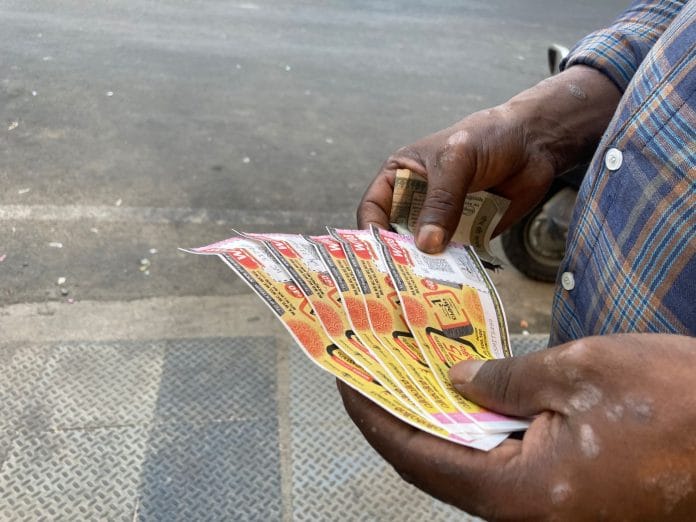
Ways to Organize Old Results
Keeping historical lottery information organized makes future searches much easier. Instead of storing numbers randomly, readers can arrange records chronologically and include the draw time and prize category.
A simple personal record can contain:
- Draw date and session
- Winning number or numbers
- Relevant prize category
- Ticket or series information
- Notes about when the result was checked
This method can be particularly useful when several draws are being reviewed. It also reduces the possibility of confusing one result with another.
Digital notes or spreadsheets can make this process even simpler. However, personal records should be treated as references and checked against an authoritative result source when accuracy is important.
Avoiding Common Mistakes With Past Results
Historical lottery information is easy to misunderstand when the original context is missing. One common mistake is copying a winning number without recording its draw date. Another is assuming that a result belongs to a particular session without checking the time.
People may also mistake an unofficial summary for the original announcement. For important verification, it is better to compare the information with a reliable official or authorized source whenever one is available.
Another issue is relying on screenshots or social media posts without confirming their date. Images can be reposted long after the original draw, making them difficult to place in the correct chronological order.
An old lottery sambad entry should therefore be evaluated using its complete context instead of a single isolated number.
What Historical Results Can and Cannot Tell You
Past records can tell readers what numbers were announced, when a particular draw occurred, and how prize information was organized. They can also help someone verify whether a previously saved record appears consistent with another source.
What they cannot provide is a guaranteed method for predicting future lottery outcomes. Statistical observations may describe what happened in a historical dataset, but they do not turn random draws into a predictable sequence.
This distinction is important because pattern-based strategies can create false confidence. A person may notice repeated numbers, clusters, or gaps and assume that these observations have predictive value. In reality, a historical pattern can occur by chance.
Responsible Use of Lottery Information
Lottery information should be approached as entertainment and reference material rather than as a guaranteed source of income. Checking previous results can be informative, but it should not encourage excessive spending or unrealistic expectations.
Readers who participate in lotteries should understand the applicable rules, eligibility requirements, ticket costs, and claim procedures in their jurisdiction. They should also establish a personal spending limit and avoid treating losses as something that must immediately be recovered.
The value of an old lottery sambad record is therefore primarily informational. It can help someone verify history without encouraging assumptions about future outcomes.
Conclusion
Historical lottery records can be valuable when they are used carefully and for the right purpose. Whether someone wants to verify a missed draw, organize personal records, or understand how previous announcements were structured, accurate dates, times, numbers, and prize categories are essential.
An old lottery sambad record should always be viewed in context, particularly when several draws are published around the same period. Checking the complete entry is more reliable than relying on an isolated number or reposted image. Most importantly, past results should not be treated as a dependable prediction tool. Each new draw is a separate event, and previous winning numbers cannot guarantee future outcomes. By using historical information responsibly and verifying important details through reliable sources, readers can better understand past lottery records while keeping their expectations realistic.


