
Introduction
Lotteries have attracted public interest in India for many years because they offer people an opportunity to participate in organised number-based draws. With the growth of digital platforms, checking lottery information has become easier than before. Instead of depending entirely on newspapers or printed notices, people can now explore result updates, draw schedules and prize information through online sources. This change has also increased interest in platforms that publish lottery-related information in a simple and accessible format.
Lottery Sambad is a commonly searched term among people looking for information about Indian state lottery results. Users generally want to understand when draws take place, how winning numbers are announced, where official results can be verified and what steps are necessary after a potential win. However, it is important to distinguish between websites that display information and the government-authorised organisations responsible for conducting lottery draws. Understanding this difference helps readers avoid misleading claims and make informed decisions.
The growing availability of online updates makes convenience an important part of the lottery experience, but accuracy and responsible participation matter just as much. Readers should always check the relevant state lottery authority’s official announcements before relying on a result or making decisions involving money.
Understanding Lottery Sambad and Its Purpose
Lottery Sambad is a search term associated with daily lottery information, including draw announcements, winning numbers, prize categories and result-related updates. People who follow state lottery draws often use this term when looking for information about a particular draw or checking whether their ticket number appears in the published result. Its popularity reflects the increasing demand for quick access to lottery information through digital platforms.
It is important to understand that a result-information website and an official lottery department perform different functions. An independent website may collect and display information for readers, but it does not automatically become the authority responsible for conducting a draw. The official organising state remains responsible for the lottery scheme, its draw procedure and the publication of authorised results. This distinction is particularly important when readers encounter several websites displaying similar numbers.
Why Are People Interested in Daily Lottery Results?
One major reason for the popularity of online lottery information is convenience. People want to check results without waiting for printed newspapers or visiting physical locations. A digital platform can organise information by date, draw name and prize category, making it easier to locate a particular announcement. Readers can also revisit previously published information when they need to compare a ticket with an earlier result.
Another reason is the availability of different types of lottery-related information in one place. Apart from winning numbers, readers may look for draw schedules, prize structures, ticket information and explanations of result documents. However, convenience should never replace verification. A number displayed on a third-party website should always be compared with the official result issued by the relevant state authority.
How Lottery Draw Results Are Announced
A lottery draw follows a defined process established by the organising authority. The participating ticket details, draw schedule, prize structure and announcement procedure depend on the particular lottery scheme. After the draw takes place, the authorised organisation publishes the outcome through its designated channels. Depending on the scheme, the result may be available as a written notice, a result sheet or a downloadable document.
Readers searching for Lottery Sambad information should first identify the correct draw name and date. This is important because different lottery schemes may have separate draw schedules and prize categories. Checking a result without confirming these details can create confusion, particularly when several announcements are published on the same day.
Understanding Different Prize Categories
Lottery results can include several prize categories, depending on the structure of the particular scheme. The first prize generally receives the most attention because it represents the highest advertised award. Other categories may include second prizes, third prizes and smaller awards. Some schemes also have additional prize divisions based on their published rules.
The prize amount, eligible ticket numbers and claim conditions should never be assumed to be identical across different draws. For example, a first-prize amount advertised for one special draw may differ significantly from the amount offered in an ordinary draw. Readers should examine the official scheme document rather than relying on general information from an unrelated result page.
Important Details to Check Before Reading a Result
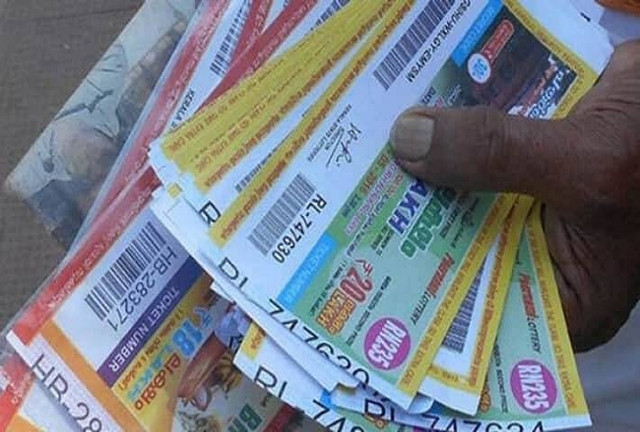
Understanding the information printed on a lottery result sheet can make the checking process easier. A result document may contain the organising authority’s name, draw identification, date, winning ticket numbers and prize categories. These details help readers identify the announcement that corresponds to their ticket.
The following information deserves particular attention:
-
Draw name: Confirms the particular lottery scheme associated with the result.
-
Draw date: Helps ensure that the correct day’s announcement is being checked.
-
Ticket number: Must match the number printed on the original ticket according to the scheme’s rules.
-
Prize category: Identifies the award associated with the winning number.
-
Official verification: Confirms whether the displayed information matches the authorised result.
Readers should avoid relying on cropped screenshots or forwarded messages without checking the complete result document. A screenshot may leave out important information, such as the draw date or scheme identification. Keeping the original ticket safe and checking the full announcement are sensible steps for anyone participating in an authorised lottery.
Lottery Sambad and the Importance of Online Result Updates
Digital access has changed the way people search for lottery information. Earlier, readers often depended on physical notices, newspapers and information shared by local distributors. Today, search engines and digital publishing platforms make it possible to locate result-related information from different devices. This development has made the process more convenient, especially for people who want to review announcements shortly after a draw.
Lottery Sambad-related searches also demonstrate how people use online platforms to find specific information instead of browsing through lengthy documents. A well-organised result page can help readers identify the relevant draw, understand the available prize categories and locate the corresponding announcement. Nevertheless, the quality of an online result page depends on the accuracy and timeliness of its information.
The Role of Mobile Phones in Result Checking
Smartphones have become an important tool for accessing everyday information. People can use mobile browsers to search for lottery announcements, read result documents and compare ticket details. Mobile-friendly pages are particularly useful because they allow information to be viewed without needing a desktop computer.
However, users should pay attention to the security of the websites they visit. Unknown pages may display misleading advertisements, request unnecessary personal information or promote unofficial payment services. A genuine result-checking process should not require a reader to share bank passwords, one-time passwords or confidential financial information. Readers should leave any page that makes suspicious demands.
Current Scenario of Lottery Information in India
The Indian lottery system operates within a legal framework that gives state governments an important regulatory role. The Lotteries (Regulation) Act, 1998 establishes conditions under which state governments may organise, conduct or promote lotteries. These conditions address matters such as ticket authenticity, government supervision, draw locations and the distribution of proceeds. The Act also allows states to establish relevant rules within the framework of the legislation.
This means lottery-related rules are not necessarily identical throughout the country. A lottery that is authorised in one state may be subject to restrictions in another. Section 5 of the legislation allows a state government to prohibit the sale within its territory of tickets belonging to lotteries organised by other states. Therefore, anyone considering participation should check the applicable rules in their own location instead of assuming that every lottery is permitted everywhere.
The online information environment has also become more crowded. Independent result websites, news platforms and other digital publishers may display lottery-related announcements. While these sources can help readers find information, the existence of a published result does not establish that a website is authorised to sell tickets or distribute prizes. Official state announcements should remain the final reference for verification.
Difference Between Official Results and Third-Party Websites
One of the most important things readers should understand is the difference between an official lottery result and information published by an independent website. An official result is issued or recognised by the organising state lottery authority. A third-party website may reproduce that information to make it easier for visitors to find, but its publication does not replace the original government announcement.
For example, imagine that a reader finds a winning number on a result-information website. Before considering the ticket a winner, the reader should confirm that the draw name, date and complete ticket number match the official result sheet. If any detail is different, the reader should not make assumptions based on the third-party display. This simple verification process can prevent misunderstandings and reduce the possibility of falling for fraudulent prize claims.
How to Identify Reliable Information
Reliable information usually provides sufficient details to identify the particular lottery draw. Readers should look for the name of the organising state, the draw date, the scheme identification and a complete result document. Information that is missing these details should be treated cautiously.
Another important consideration is the publication date. An old result may continue appearing in search engine results even when someone is looking for a current announcement. Checking the date before reading the numbers helps prevent confusion. Readers should also be cautious of websites that promise guaranteed winning numbers, claim to predict future results or request payment in exchange for supposedly confidential winning information.
A Simple Guide to Checking Lottery Results
Checking a lottery result does not need to be complicated. The process becomes easier when readers follow a consistent method and pay attention to the details printed on their original tickets. The first step is identifying the correct lottery scheme. The second is locating the result for the relevant date. Finally, the ticket details should be compared carefully with the authorised announcement.
For a better understanding, consider someone who purchased a ticket for a particular afternoon draw. Instead of checking every result published online, that person should identify the exact draw name and date printed on the ticket. Once the corresponding official result becomes available, the ticket number can be checked against the relevant prize category. If the details appear to match, the person should follow the official claim procedure rather than contacting an unknown individual offering to release the prize.
Common Information Found in a Result Document
| Result detail | What it tells the reader |
|---|---|
| Draw identification | The name or code of the lottery draw |
| Announcement date | The date associated with the result |
| Winning number | The ticket number selected for a prize |
| Prize category | The level of award associated with the number |
| Organising authority | The state department responsible for the draw |
| Claim instructions | The official procedure for claiming an eligible prize |
A result document should be read as a complete record rather than as a collection of isolated numbers. The organising authority’s instructions are particularly important because they explain the requirements for claiming a prize, including submission procedures and applicable deadlines.
Understanding Draw Schedules and Result Timings
Draw schedules are another important aspect of lottery-related searches. Different schemes can have different timings, announcement procedures and operating arrangements. Some draws may take place in the afternoon, while others may be scheduled for the evening. Special draws can also have separate arrangements that differ from regular schemes.
Readers should not assume that every lottery follows the same timetable. The schedule printed in an authorised notification or published by the organising state should be treated as the primary reference. Online result pages may update at different times depending on when information becomes available to them. A delay in a third-party update does not necessarily mean that the official draw has been postponed.
Why Draw Dates Matter
Draw dates are essential because similar lottery names and prize categories can appear in different announcements. Someone checking a result from the wrong date could mistakenly believe that a ticket has won or lost. This is why checking the date, scheme name and ticket details together is more reliable than searching for a number alone.
It is also useful to remember that special holidays, administrative decisions and changes to an authorised schedule may affect draw arrangements. Readers should consult current official notices whenever there is uncertainty about whether a particular draw has taken place.
Legal Awareness and Lottery Participation in India
Legal awareness is an essential part of understanding lottery participation. The Lotteries (Regulation) Act, 1998 provides the central framework for state-organised lotteries. Under this framework, the organising state has responsibilities concerning the conduct of draws and the authenticity of tickets. The legislation also establishes restrictions on lottery operations and allows the central government to take action against schemes that violate relevant provisions.
State governments may also introduce their own rules and restrictions. As a result, the legality of purchasing a particular ticket depends on the relevant state regulations and the authorised lottery arrangement. Readers should not rely exclusively on information from social media, online advertisements or unofficial result pages when making decisions about participation.
Why State Regulations Should Not Be Ignored
A lottery’s name or popularity does not automatically establish that its tickets can legally be purchased in every Indian state. Local restrictions can apply to the sale of tickets organised elsewhere. Therefore, checking the applicable state policy is necessary before purchasing a ticket.
Readers should also understand that an independent website displaying results is not necessarily a ticket-selling authority. The official ticket distribution system and the organising state determine the authorised process. Anyone offering tickets through an unexplained online payment arrangement should be approached with caution.
Common Mistakes People Make While Checking Results
Many misunderstandings occur because readers focus only on winning numbers and ignore other important details. A number may appear similar to the number printed on a ticket, but that does not automatically establish a winning result. The draw date, complete ticket identification and applicable prize category must all match the official announcement.
Another common mistake is trusting forwarded messages without verification. Social media posts can contain outdated information, incomplete screenshots or fabricated winning claims. Some messages may even use the names of popular lotteries to attract attention and encourage people to make payments. Readers should avoid sharing personal information or transferring money to unknown contacts in response to such messages.
A few practical habits can help prevent these problems:
-
Check the complete official result rather than relying on a screenshot.
-
Confirm the draw date and scheme identification before comparing numbers.
-
Keep the original ticket and any purchase-related documents safe.
-
Avoid anyone promising guaranteed results or demanding advance prize-release fees.
These precautions are useful because they encourage readers to treat lottery information carefully instead of making rushed decisions based on unverified announcements.
How to Avoid Lottery-Related Online Scams
Online scams are an important concern whenever a popular lottery name attracts a large number of searches. Fraudsters may create misleading websites, send unsolicited messages or contact people claiming that they have won a large prize. Their main objective is often to obtain money or confidential information from unsuspecting individuals.
A particularly common warning sign is a demand for an advance payment to release supposed winnings. Fraudsters may describe this payment as a processing charge, registration fee, tax deposit or verification amount. Readers should never assume that such a demand is legitimate simply because the sender knows the name of a lottery or provides an impressive-looking certificate.
Another warning sign is pressure to act immediately. Genuine prize claims must follow the applicable official procedure, and readers should have sufficient time to verify the information through the organising authority. Anyone who demands an OTP, bank PIN, password or remote access to a phone should be treated as suspicious. If a person receives a questionable prize message, they should avoid responding and independently verify the claim.
Responsible Participation and Financial Awareness
Lottery participation should always be approached with realistic expectations. A lottery draw is based on chance, meaning there is no dependable method of predicting which ticket number will win. Previous results, frequently appearing numbers and personal number-selection strategies cannot guarantee future outcomes. Anyone suggesting otherwise is making a claim that should be treated with scepticism.
People should also establish clear financial limits before considering participation. Lottery tickets should never be treated as a reliable source of income or an alternative to regular savings. Spending money intended for household expenses, education, medical needs or other essential responsibilities can create unnecessary financial difficulties. Responsible decisions involve understanding that losing the amount spent is a possible outcome.
Conclusion
Lottery information has become easier to access as more people use digital platforms to follow draw announcements, understand prize categories and check winning numbers. Lottery Sambad remains a commonly searched term for readers interested in these updates, but understanding the information behind a result is just as important as finding the result itself.
Readers should always verify winning numbers through the relevant state lottery authority, check the correct draw date and understand the rules associated with the particular scheme. They should also remain aware of state-specific regulations, avoid suspicious payment requests and protect their personal and financial information.


