
Introduction
Lottery games attract attention because they combine simple participation with the possibility of winning a prize. In India, people often search for lottery sambad when they want general information about lottery draws, results, ticket details, or the process used to announce winning numbers. However, lottery information can change quickly, and players should always distinguish between official information and unverified claims shared through social media, messaging groups, or unofficial websites.
Understanding how lottery draws operate can help readers evaluate information more carefully. A typical lottery involves numbered tickets, a scheduled draw, selected winning numbers, and a published result. The rules surrounding eligibility, ticket validity, prizes, and claims can vary depending on the particular lottery and applicable regulations. This guide explains the basic concepts behind lottery results, how to read result information, what details should be checked, and why responsible participation is important.
What Is Lottery Sambad?
The term lottery sambad is commonly used in searches related to lottery results and draw information, particularly for lotteries associated with West Bengal. The word “Sambad” means news or information in Bengali, which helps explain why the phrase has become familiar among people looking for lottery-related updates.
A lottery result generally contains information such as the draw date, draw time, winning numbers, prize categories, and sometimes details about different prize tiers. Readers should understand that search results, screenshots, and forwarded messages are not automatically proof that a result is genuine. Officially published information should always be treated as the more reliable source.
Lottery outcomes are based on chance, meaning previous results cannot reliably predict future winning numbers. A number that appeared recently does not necessarily become more or less likely to appear in another independent draw. This is an important point for anyone researching lottery results.
How Lottery Draws Generally Work
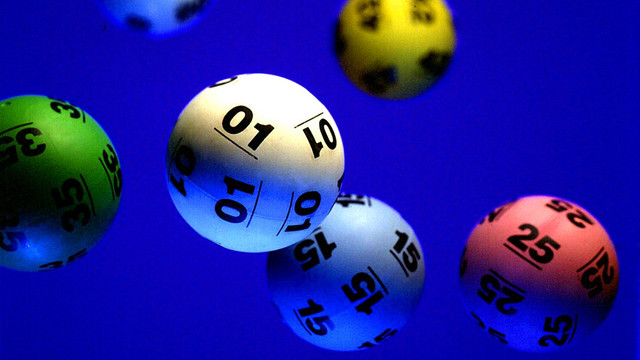
Lottery systems can differ, but the basic process is relatively straightforward. Eligible tickets are issued before a particular draw, and a random selection process determines the winning numbers or ticket combinations. After the draw, the results are recorded and made available through authorized channels.
The exact process depends on the lottery organizer and applicable state regulations. Some lotteries may have several prize categories, while others can use different ticket structures or draw schedules. The published result normally identifies winning combinations and the corresponding prize levels.
People searching for lottery sambad information should pay attention to the date and draw time because several draws can take place during a period. Looking at an old result and assuming it belongs to the latest draw can create unnecessary confusion.
Important information may include:
- Draw date and scheduled time
- Lottery name or series
- Winning ticket or number
- Prize category
- Rules for claiming prizes
- Applicable deadlines
- Authorized claim procedures
How to Read a Lottery Result
Reading a lottery result requires more than simply looking for a familiar number. First, identify the exact lottery name and draw date. Next, check the draw time or series if multiple draws are conducted. After locating the relevant winning number, compare it carefully with the information printed on the ticket.
A result may include multiple prize categories, so matching a number does not necessarily mean that every winning ticket receives the same prize. The prize structure depends on the rules of the particular lottery.
It is also important to check whether the result is preliminary or officially confirmed. If a result has been copied from an unofficial source, spelling mistakes, missing digits, or incorrect dates can cause problems. Readers should therefore verify important information through an authorized source before taking any action.
Lottery Sambad Results: What Should You Check?
When searching for lottery sambad results, users should focus on accuracy rather than speed alone. Fast updates can be useful, but an incorrect result is more harmful than a slightly delayed verified result.
| Information to Check | Why It Matters |
|---|---|
| Draw date | Confirms the result belongs to the correct day |
| Draw time | Helps distinguish between different draws |
| Lottery series | Identifies the relevant ticket group |
| Winning number | Used to compare with the ticket |
| Prize category | Shows the applicable prize level |
| Claim rules | Explains how a legitimate prize can be claimed |
| Deadline | Helps prevent missing a valid claim period |
If a result appears different across two sources, do not assume that the newer-looking page is correct. Compare the information with an authorized publication before relying on it.
Why Official Verification Matters
The popularity of lottery searches has also created opportunities for misleading information. Fake result pages, edited screenshots, fraudulent messages, and impersonation scams can make it difficult for users to distinguish genuine information from false claims.
A legitimate result should be connected to an identifiable lottery and its authorized publication process. Readers should be especially careful when someone claims that they have won a prize and asks for money, banking details, passwords, identification documents, or an advance payment.
Some warning signs include:
- Unexpected messages claiming that you have won.
- Requests for an upfront “processing” or “release” fee.
- Pressure to send money immediately.
- Requests for passwords, PINs, or one-time verification codes.
- Unclear information about the lottery or draw.
- Screenshots presented without an identifiable official source.
A genuine lottery result and a message from a stranger claiming you have won are two very different things.
Understanding Probability and Randomness
One of the most important concepts in lottery participation is probability. Lottery draws are designed around chance, and every valid combination has a predetermined mathematical probability under the relevant draw system.
 Past results do not create a dependable method for predicting future outcomes. For example, if a particular number has appeared several times, that does not necessarily mean it is “due” to appear again or become less likely to appear. Likewise, a number that has not appeared for a long time does not automatically become more likely.
This is why historical lottery sambad results should be viewed primarily as records of previous draws rather than as a reliable prediction tool. Studying old numbers can be interesting, but it should not create a false impression that future results can be controlled or predicted.
Responsible Approach to Lottery Participation
Lottery games should be approached as entertainment rather than as a dependable source of income. Because outcomes are uncertain, spending more money does not guarantee a better financial result. A person can lose the amount spent even when they carefully study previous results.
A responsible approach includes setting a firm spending limit and avoiding money that is needed for essential expenses. People should also avoid chasing losses by increasing spending after an unsuccessful outcome.
Useful principles include:
- Set a personal spending limit before participating.
- Never borrow money to buy lottery tickets.
- Do not treat lottery games as an investment.
- Avoid trying to recover losses through additional spending.
- Keep personal financial priorities ahead of entertainment spending.
- Take a break if participation begins to feel difficult to control.
These principles are especially important for people who may be financially vulnerable.
Common Misunderstandings About Lottery Results
Several misconceptions can develop around lottery draws. One common belief is that certain numbers are naturally luckier than others. Another is that analyzing enough previous results can reveal a guaranteed pattern. Neither idea provides a dependable way to determine the outcome of a random draw.
Another misunderstanding is that every website publishing a result has access to official information. In reality, online content can be copied or modified quickly. A professional-looking page does not automatically make its information authentic.
People researching lottery sambad should therefore separate three things: the official result, independently reported information, and personal predictions. Keeping these categories separate makes lottery-related information easier to evaluate.
What to Do If You Believe You Have a Winning Ticket
If a ticket appears to match a published winning number, the first step should be careful verification. Check the ticket details, draw date, series, and applicable prize category. Keep the original ticket safe and avoid posting photographs of it publicly because ticket information can contain details that should remain private.
Prize claims are normally subject to specific rules, documentation requirements, and deadlines. These requirements can vary, so winners should follow the authorized procedure applicable to the relevant lottery rather than relying on instructions received through an unsolicited message.
Never send money simply because someone claims that a prize must be “unlocked” or “released” after payment. Unexpected payment requests are a major warning sign of possible fraud.
Digital Safety When Searching for Lottery Information
Searching online for lottery information requires ordinary digital security precautions. Users should avoid entering sensitive financial information into unknown pages merely because they display lottery-related content.
A safe browsing approach includes checking the identity of the publisher, reviewing the date of the information, and avoiding suspicious downloads or pop-ups. Readers should also be cautious with messages containing shortened or unfamiliar links.
If an online page asks for passwords, banking credentials, card details, or verification codes in exchange for lottery information, it should be treated with suspicion. Lottery results generally do not require users to disclose sensitive account credentials simply to view a published result.
Frequently Asked Questions
Is Lottery Sambad a lottery itself?
The phrase is commonly used in connection with lottery result searches and information, particularly involving West Bengal lottery draws. The exact lottery, organizer, and draw should be identified before relying on any result.
Can previous lottery results predict the next draw?
No. Previous results are historical records and do not provide a guaranteed method for predicting future random outcomes.
How can I verify a lottery result?
Check the exact draw date, time, series, and winning number against information published through an authorized source.
Should I pay money to claim an unexpected lottery prize?
Be extremely cautious. Unsolicited prize messages requesting advance payments are a common warning sign of scams.
Is lottery participation a reliable way to earn money?
No. Lottery outcomes are uncertain, and participation should not be treated as a dependable income or investment strategy.
Conclusion
Lottery sambad searches are often driven by interest in draw results, winning numbers, schedules, and lottery-related information. While finding a result can be simple, verifying that the information is accurate is much more important. Readers should check the draw date, time, series, prize category, and applicable claim rules before relying on any published result.
The most sensible approach is to treat lottery participation as a form of chance-based entertainment rather than a financial strategy. Understanding probability, recognizing misleading claims, protecting personal information, and avoiding pressure to spend more can help people make more informed decisions. Most importantly, lottery-related information should always be verified through appropriate authorized channels, while unsolicited prize claims and requests for advance payments should be treated with caution.


