



Introduction
Lotteries have remained a familiar part of public entertainment in different parts of India for many years. With the growth of digital platforms, people can now access lottery-related information more conveniently than before. Instead of depending entirely on printed newspapers or physical result announcements, readers increasingly use online sources to understand draw schedules, published results, prize categories, and other relevant details. This change has made digital awareness an important part of understanding how lottery systems operate. Among the commonly searched terms in this category, Lottery Sambad has attracted attention from people interested in lottery results and related announcements.
Understanding lottery information involves more than simply checking whether a particular number appears in a published result. Readers should also understand how official announcements work, why verification matters, and how probability influences lottery outcomes. Different draws follow established procedures, and each result represents an independent event rather than a predictable continuation of previous outcomes. Developing this basic knowledge can help readers approach lottery-related information with realistic expectations. General awareness is particularly important in the digital environment, where information travels quickly and not every website or social media post provides accurate details.
Understanding the Growing Interest in Digital Lottery Information
The popularity of online information has changed the way people explore lottery-related updates. Earlier, individuals often depended on local announcements, printed publications, or authorized sellers to obtain information about available draws. Today, internet access allows readers to search for result-related details from different locations. Smartphones, digital news platforms, and search engines have made information easier to discover, although the reliability of individual sources still needs careful consideration.
This development has also increased public interest in understanding how lottery systems function. People may search for information about draw timings, prize structures, ticket categories, and result announcements. Some readers are interested in general knowledge, while others want to understand the process behind published outcomes. Lottery Sambad is a familiar search term within this information category because it is associated with public interest in lottery announcements. However, readers should distinguish between informational content and official result confirmation.
Another important development is the growing awareness of digital verification. A result appearing on a website or social media page should not automatically be considered authentic. Responsible readers compare available information with authorized announcements and check whether the publication date, draw details, and ticket information match the relevant official records. This simple habit reduces the possibility of confusion and helps people make informed decisions.
How Lottery Results Are Presented and Organized
Lottery results are generally organized according to specific draw dates, ticket series, numbers, and prize categories. The exact format depends on the lottery authority and the particular scheme. Some announcements contain several prize categories, while others provide a structured list of winning numbers. Understanding this format makes it easier for readers to locate relevant information without misunderstanding the published details.
A typical result announcement may include the name of the lottery, draw identification, date, winning numbers, and applicable prize amounts. Readers should examine these details carefully because different draws can have similar names or identification patterns. Checking only a number without confirming the associated draw can create unnecessary confusion. The date and draw identification are particularly important when reviewing older announcements or comparing information published by multiple sources.
Digital platforms have made these details easier to access, but presentation styles can vary. Some websites arrange results in tables, while others publish downloadable documents or written announcements. Regardless of the format, the original authorized announcement should remain the primary reference for confirmation. Lottery Sambad searches may help readers discover relevant information, but the final verification should always come from the appropriate official source.
Why Result Trends Attract Public Attention
People naturally look for patterns when they encounter repeated numerical information. In lottery-related discussions, this curiosity often leads readers to examine previously published results, compare numbers, and identify combinations that appear frequently. Such activities can be interesting from an observational or statistical perspective, provided that readers understand the limitations of historical information.
For example, someone reviewing several past draws might notice that a particular number appeared more frequently than another. This observation describes what happened during those draws, but it does not establish that the same number is more likely to appear in the next independent draw. Random outcomes do not become predictable simply because people identify apparent patterns in historical records.
The distinction between observation and prediction is essential. Historical information can help explain how results are recorded and organized, but it cannot guarantee future outcomes. Lottery Sambad discussions sometimes focus on previous winning numbers and numerical trends, making it particularly important to separate statistical curiosity from unrealistic expectations.
Important Factors to Consider When Reviewing Lottery Information
Several details can help readers understand lottery announcements more accurately. Rather than concentrating exclusively on winning numbers, it is useful to examine the surrounding information that establishes whether a result is relevant and reliable.
The following factors are particularly important:
- Draw identification: Confirm the specific draw name and number before checking any result.
- Announcement date: Make sure the information corresponds to the correct date.
- Ticket details: Compare the published number and series with the original ticket.
- Prize category: Understand the applicable category and its stated prize amount.
- Official verification: Confirm the announcement through the authorized lottery authority.
These basic checks can prevent misunderstandings and help readers develop better information habits. They are especially useful when multiple websites publish similar-looking result summaries.
The Role of Probability in Understanding Lottery Outcomes
Probability is one of the most important concepts for understanding lotteries. A lottery is generally designed around random selection, meaning that participants cannot reliably determine the winning outcome in advance. The probability of winning depends on the structure of the particular lottery, the number of eligible combinations, and the rules governing the draw.
Consider a simplified example in which a draw selects one winning combination from a fixed collection of equally likely possibilities. If there are many possible combinations, the probability of selecting the correct one is relatively small. Increasing the number of attempts may change the mathematical probability of obtaining a winning outcome, but it does not create certainty or eliminate financial risk.
Another common misunderstanding involves the idea that numbers that have not appeared recently are somehow overdue. This belief is sometimes called the gambler’s fallacy. In an independent random draw, the absence of a number in previous results does not automatically increase its probability in the next draw. Each event must be understood according to its actual rules and probability structure.
Understanding these principles helps readers approach lottery information more rationally. It also discourages the assumption that previous results, numerical sequences, or online predictions can provide a guaranteed method of winning.
How Digital Platforms Have Changed Result Awareness
The expansion of internet services has created new ways for people to access lottery-related information. Search engines allow users to discover result announcements, while mobile-friendly websites make information available across different devices. This convenience has reduced the effort required to find general information and has increased interest in regularly updated digital content.
However, greater accessibility also creates challenges. Different websites may display outdated information, incomplete results, or misleading promotional messages. Some platforms may use attention-grabbing headlines to attract visitors without providing adequate verification. Readers should therefore avoid treating every search result as an authoritative announcement.
Lottery Sambad is an example of a keyword that reflects this growing digital interest. People searching for it may be looking for result summaries, draw-related explanations, or general information about lottery announcements. The quality of the information matters more than how quickly it appears online. A reliable approach involves checking publication dates, comparing relevant details, and referring to authorized records before accepting any result as final.
Understanding the Difference Between Official Results and Online Predictions
One of the most important aspects of digital awareness is recognizing the difference between an official result and an unofficial prediction. Official results are published through the responsible authority after the relevant draw process has taken place. They contain the outcome that readers should use when checking their tickets.
Predictions, on the other hand, are opinions, guesses, or interpretations made before a draw. They may be based on personal calculations, historical observations, numerical preferences, or entertainment-oriented discussions. None of these approaches can establish the actual outcome of a properly conducted random draw.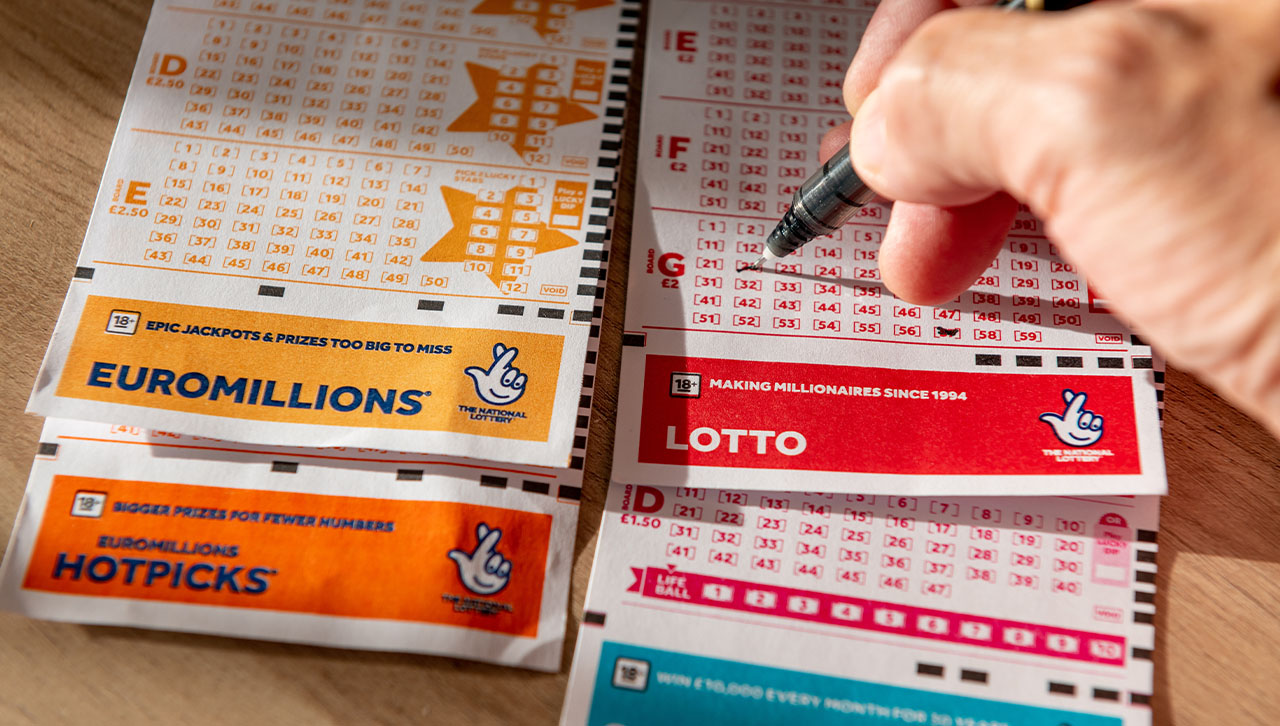
Some online pages present selected numbers with confident language, creating the impression that a particular combination has a special advantage. Readers should approach such claims carefully. There is no dependable method for predicting a genuinely random lottery result through repeated number analysis. Similarly, claims of guaranteed prizes or secret winning formulas should be treated as warning signs.
For general awareness, understanding this difference is more valuable than following speculative predictions. It allows readers to evaluate online content objectively and avoid confusing entertainment with verified information.
A Simple Overview of Common Lottery Information
Lottery-related announcements may contain several different types of information. Understanding their purpose can make result pages easier to read and interpret.
| Information Category | What It Generally Explains | Why It Matters |
|---|---|---|
| Draw details | Name, date, and identification of a draw | Helps identify the correct announcement |
| Winning numbers | Numbers selected during the draw | Allows ticket comparison |
| Prize categories | Different levels of winning rewards | Explains the applicable prize structure |
| Ticket information | Series and identifying details | Helps establish whether a ticket matches |
| Verification details | Authorized confirmation procedures | Reduces the risk of accepting incorrect information |
This overview demonstrates why lottery results should be examined as complete announcements rather than isolated numbers. Every category contributes to understanding the outcome and determining whether a particular ticket is eligible for a prize under the applicable rules.
Responsible Participation and Financial Awareness
Although lotteries are often discussed as a form of entertainment, financial responsibility should remain a priority. Participation involves uncertainty, and there is no guarantee that purchasing a ticket will produce a financial return. People should never consider lottery participation a dependable method of earning income, recovering losses, or achieving financial stability.
A sensible approach begins with understanding personal financial limits. Essential expenses such as housing, food, education, healthcare, and savings should always receive priority. Money needed for everyday responsibilities should not be used for uncertain activities. Individuals who choose to participate where legally permitted should treat the expense as entertainment rather than an investment.
It is equally important to avoid chasing losses. Losing one draw does not create a reason to purchase additional tickets in the hope of recovering the previous amount. This behaviour can gradually increase financial pressure and lead to poor decisions. Setting clear limits and following them consistently can help maintain a healthier relationship with entertainment activities.
Responsible awareness also includes recognizing when participation becomes difficult to control. If lottery-related spending begins affecting personal finances, relationships, or everyday responsibilities, taking a break and seeking appropriate support can be beneficial.
Legal Awareness and the Importance of Authorized Information
Lottery activities in India operate within a legal framework that includes the Lotteries (Regulation) Act, 1998, and applicable rules established by the relevant authorities. The law provides a framework for regulating lotteries, while individual state requirements and restrictions may also apply. Therefore, readers should not assume that every lottery product or online service is legally authorized in every location.
The legal status of a particular lottery depends on its authorization, the applicable state regulations, and the relevant conditions. People should check the current rules before participating. They should also distinguish between an authorized lottery operator and an independent website that simply publishes result-related information. Displaying lottery numbers online does not automatically establish that a website is an official lottery authority.
This distinction is especially important when considering prize claims. A published result alone may not be sufficient to establish entitlement to a prize. The relevant authority may require the original ticket, identity documents, claim forms, or other information according to the applicable rules. Readers should understand these requirements rather than relying on unofficial instructions.
How to Develop Better Digital Information Habits
Digital awareness involves more than knowing where information can be found. It also requires the ability to assess whether the information is accurate, current, and relevant. When reviewing lottery-related content, readers should pay attention to the source, date, wording, and supporting details.
It is helpful to avoid websites that make unrealistic promises, demand suspicious payments, or claim that guaranteed winning numbers are available for a fee. Unverified messages and social media posts should not be treated as proof of a winning result. Personal and financial information should never be shared with unknown individuals or unverified platforms.
Readers can also develop a simple routine for evaluating online announcements. First, identify the original source of the information. Next, check whether the announcement matches the correct draw and date. Finally, compare the ticket details with the official published record. These steps provide a practical foundation for safer digital information consumption.
The Importance of Public Awareness in the Digital Era
Public awareness plays an important role in helping people understand information that involves money, probability, and legal requirements. In the digital era, misleading content can spread quickly because information is easily copied, shared, and republished. As a result, readers need to develop the habit of questioning unsupported claims rather than accepting every announcement immediately.
Educational content can explain how lotteries work, why outcomes are uncertain, and how official verification procedures protect participants. It can also clarify the difference between historical statistics and future predictions. These explanations are useful for readers who want to understand the subject without developing unrealistic expectations.
Lottery Sambad searches can become an opportunity to explore these broader topics when readers focus on accurate information instead of speculative claims. Learning about probability, result formats, responsible spending, and legal requirements creates a more balanced understanding of the lottery information environment.
Conclusion
Understanding lottery results requires more than checking numbers or following popular online discussions. Readers should consider draw identification, announcement dates, prize categories, probability, and official verification procedures before drawing conclusions. Digital platforms have made lottery-related information easier to discover, but accessibility does not automatically guarantee accuracy. Developing the ability to identify reliable sources is therefore an important part of modern digital awareness.
Lottery Sambad reflects the public interest in lottery announcements and result-related information. However, historical trends should be viewed as records of previous outcomes rather than reliable predictions of future draws. A responsible approach also involves understanding applicable laws, maintaining financial limits, and avoiding websites or individuals that promise guaranteed winnings. Ultimately, informed readers are better equipped to distinguish verified information from speculation and make sensible decisions in an increasingly connected digital environment.


