



Introduction
Keeping track of lottery announcements and understanding their results has become easier with the availability of digital information. Many people look for daily updates to learn about draw schedules, winning numbers, prize categories, and result announcements without spending too much time searching through different sources. In this environment, Lottery Sambad is a commonly searched term among readers interested in lottery-related information, particularly those who want to stay aware of publicly announced results and understand how the result system works.
For regular readers, having access to organised and understandable information is important. A result announcement may contain several details, including draw identification, date, winning numbers, prize categories, and instructions for checking a ticket. Understanding these details can help readers avoid confusion and identify the information that matters. However, it is equally important to remember that lottery outcomes are based on chance, and no website, prediction, number pattern, or previous result can guarantee a future win.
Daily lottery information should therefore be approached with attention, patience, and responsible decision-making. This article explains how readers can understand result announcements, follow draw-related information, recognise misleading claims, and protect themselves while exploring lottery updates.
Understanding Lottery Results and Daily Updates
Lottery results are official announcements that identify the numbers or ticket details selected during a particular draw. Depending on the lottery system, an announcement may include several prize levels, each associated with a different winning combination or ticket number. Readers need to understand the structure of these announcements before deciding whether a ticket matches a published result.
The term Lottery Sambad is frequently associated with searches for lottery results and related daily information. People may use it when looking for newly announced numbers, checking earlier results, or understanding the timing of different draws. However, search results and third-party information should not automatically be considered official. The original result notification and the rules published by the authorised lottery operator should always take priority.
Digital access has changed how people follow lottery announcements. Instead of depending entirely on printed notices or local information sources, readers can now search for updates using computers and smartphones. This convenience makes information easier to access, but it also creates a need to distinguish verified announcements from copied, outdated, or misleading information.
Why People Follow Daily Lottery Information
One major reason people follow lottery updates is convenience. A person who has purchased a ticket may want to know when a particular draw is scheduled and when its results are expected to become available. Having the relevant information organised in one place can make the process easier to understand. Readers may also want to review earlier announcements to understand prize categories or learn how a specific draw is structured.
Another reason is the growing interest in digital information. People increasingly prefer short, accessible updates that explain important details without requiring them to navigate complicated documents. A clearly presented result announcement can help readers identify the draw date, winning number, and relevant prize category. Nevertheless, convenience should never replace verification. A result displayed on an unofficial page may contain typing mistakes, outdated information, or details copied from another draw.
For this reason, readers should develop a habit of checking the date and draw identification before relying on any announcement. This small step can prevent misunderstandings, particularly when several results are published around similar times.
How to Read a Lottery Result Correctly
Understanding a result announcement requires more than looking at a sequence of numbers. Readers should first identify the lottery name, draw date, and draw number. These details establish which announcement they are examining. They should then review the winning numbers and prize categories carefully, making sure that the information corresponds to the ticket they hold.
Some lottery announcements contain multiple prize levels. The highest prize may receive the most attention, but smaller prize categories can also be important. Each category generally has its own eligibility requirements and matching conditions. Readers should examine the complete result notice rather than focusing only on the headline winning number.
Important Details to Check in a Result Announcement
A properly organised result notice generally provides information such as:
-
Draw date: The date on which the lottery draw took place.
-
Draw identification: The specific draw number or reference.
-
Winning numbers: The numbers or ticket details announced as winners.
-
Prize categories: The different levels of prizes and their applicable conditions.
-
Claim instructions: The official procedure and deadline for eligible winners.
These details help readers understand an announcement more accurately. If any information is missing or unclear, it is better to consult the authorised lottery authority rather than make assumptions.
The Role of Digital Platforms in Sharing Lottery Updates
Digital platforms have become an important part of the way people access everyday information. Websites, mobile-friendly pages, online publications, and digital news services allow readers to find announcements without depending entirely on traditional information channels. Lottery-related updates are also part of this changing information environment. Readers can use online resources to understand draw schedules, compare announcements, and learn about the procedures associated with different prize categories.
One advantage of digital information is its accessibility. A reader using a smartphone can search for a particular result while travelling, working, or relaxing at home. However, not every digital platform follows the same standards of accuracy. Some websites may publish information without checking the original announcement, while others may continue displaying older results as though they were recent. This makes source selection an essential part of the reading experience.
A responsible information platform should present dates, draw details, and result information clearly. It should also avoid exaggerated statements, misleading advertisements, and unsupported predictions. Readers benefit most when information is presented objectively instead of being designed to create unrealistic expectations.
Understanding Different Lottery Draw Schedules
Lottery draws may follow different schedules depending on the organiser and the particular scheme. Some announcements are associated with specific times, while others follow weekly or otherwise scheduled arrangements. Readers should never assume that every lottery has the same timetable. The correct schedule should always be confirmed through the relevant authorised notification.
People searching for Lottery Sambad information may come across references to different draw timings and categories. Understanding these differences is useful because an announcement for one draw cannot automatically be applied to another. Even when two results are published on the same date, their draw identification and winning combinations may be completely different.
The following table explains some common details readers may encounter when examining lottery announcements.
| Information | What it means | Why it matters |
|---|---|---|
| Draw date | Date of the announcement | Helps identify the correct result |
| Draw number | Unique draw reference | Prevents mixing different draws |
| Winning number | Published winning combination | Helps compare ticket details |
| Prize category | Applicable prize level | Explains potential eligibility |
| Claim deadline | Last date for submitting a claim | Helps avoid missing the official process |
This basic structure makes result information easier to understand. However, the exact format and requirements can vary according to the lottery organiser and applicable state regulations.
How to Stay Updated Without Getting Confused
Following daily announcements does not need to become a complicated activity. Readers can develop a simple routine that prioritises accuracy over speed. Rather than trusting the first number displayed in search results, they should check the original announcement and confirm that the date and draw reference match their ticket.
Another useful practice is to avoid mixing information from different websites. When several pages publish similar-looking results, it is possible to confuse an earlier draw with a newer one. Keeping track of the relevant draw identification can reduce this risk. Readers should also remember that an announcement shared through social media may have been edited, cropped, or circulated without its original context.
A few practical habits can make the process more organised:
-
Check the announcement date before reviewing any winning number.
-
Match the draw identification with the information printed on the ticket.
-
Verify important details through an authorised source.
-
Keep the original ticket safe until its status is confirmed.
-
Avoid relying on predictions or unofficial messages promising guaranteed results.
These habits are useful for anyone who wants to understand lottery announcements without becoming dependent on unverified information.
Common Misunderstandings About Lottery Results
One common misunderstanding is the belief that previous winning numbers can predict future outcomes. People sometimes study historical announcements and search for repeating combinations, assuming that certain numbers are more likely to appear again. Although reviewing historical information can be interesting, it does not provide a dependable method for predicting a future draw.
In a properly conducted random lottery, every eligible outcome is determined according to the rules of that particular draw. A number appearing frequently in earlier results does not automatically become more likely to appear again. Similarly, a number that has not appeared for a long time is not necessarily due to appear. These assumptions can create unrealistic expectations and encourage unnecessary spending.
Another misunderstanding concerns unofficial result announcements. A screenshot, forwarded message, or social media post may look convincing without being authentic. Some misleading pages use impressive headlines or urgent language to attract visitors. Readers should remember that an attractive presentation does not establish the accuracy of the information.
Why Previous Results Cannot Guarantee Future Wins
Historical results are records of completed events. They can help readers understand how earlier announcements were presented, but they cannot establish what will happen in a future random draw. This distinction is important because people sometimes interpret number sequences as meaningful patterns.
For example, if a particular combination appears more than once in historical records, it does not mean that the same combination has a special advantage in the next draw. Each draw must be understood according to its own rules and random selection process. Treating old results as predictions can lead to poor financial decisions.
Checking Information and Avoiding Fake Result Claims
Online misinformation is not limited to lottery-related content. It affects many areas of digital communication, including financial announcements, entertainment updates, and public information. Lottery readers should therefore apply the same verification habits they would use when checking any important online announcement.
A trustworthy result notification should contain identifiable draw information and should be consistent with the authorised announcement. If a page displays a winning number without explaining which draw it belongs to, readers should avoid treating it as confirmed information. The same caution applies to messages claiming that a person has won a prize without presenting a verifiable basis.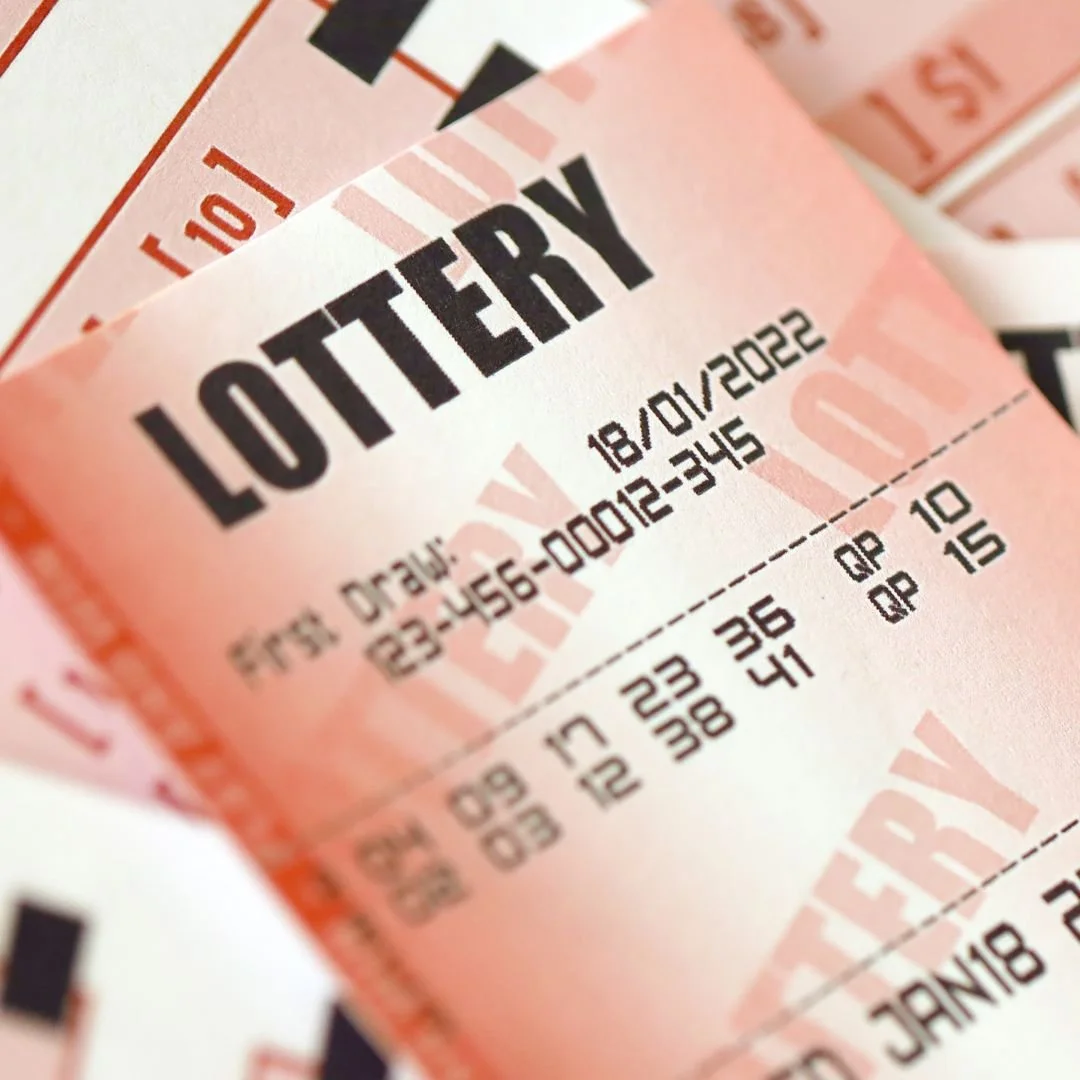
Some misleading messages may request payment, personal information, or banking details before providing supposed winning information. Such requests deserve particular attention. A legitimate prize claim should follow the documented procedure established by the authorised lottery operator, not an unknown person’s private instructions.
Readers should be especially cautious about the following warning signs:
-
Claims that a particular number is guaranteed to win.
-
Messages demanding advance fees to release a supposed prize.
-
Requests for passwords, PINs, or one-time verification codes.
-
Unverified announcements that do not identify the relevant draw.
If a message appears suspicious, readers should avoid responding or sharing sensitive information. They can independently verify the announcement through the relevant official authority.
Responsible Participation and Financial Awareness
Lottery participation involves financial risk because winning is uncertain. People should understand this before deciding whether to participate. A lottery ticket should never be treated as a reliable source of income, a substitute for savings, or a solution to financial difficulties. Even when a prize appears attractive, the possibility of losing the amount spent on a ticket remains important.
Responsible financial behaviour begins with setting clear personal limits. People should never use money reserved for essential expenses such as food, education, housing, healthcare, or household responsibilities. Borrowing money to purchase tickets can create additional financial pressure, especially when expected winnings do not materialise.
It is also important to recognise the emotional side of lottery participation. Excitement after seeing a result or disappointment after missing a prize can influence future decisions. Some people respond to disappointment by purchasing additional tickets in an attempt to recover their spending. This approach can increase losses rather than solve the original problem.
Readers should approach lottery-related information as something to understand, not as a financial strategy. Taking breaks, maintaining spending limits, and avoiding participation when experiencing financial stress are sensible precautions. If lottery activity begins affecting personal finances or everyday responsibilities, stepping away and seeking appropriate support may be helpful.
Legal Awareness and Lottery Regulations in India
Lottery activities in India operate within a legal framework that includes the Lotteries (Regulation) Act, 1998, and the Lotteries (Regulation) Rules, 2010. State governments have an important role in regulating and organising permitted lotteries. The legal position and availability of particular lottery schemes can differ between states, so readers should not assume that a lottery available in one location is automatically permitted everywhere.
People interested in Lottery Sambad announcements should understand that checking a result and participating in a lottery are two different activities. Accessing publicly available information does not remove the need to follow applicable state laws. Individuals should check the current rules in their state before purchasing tickets or attempting to claim prizes.
Age requirements, ticket validity, claim documentation, and prize distribution procedures may also depend on the applicable scheme. For this reason, the official notification should always be treated as the primary reference. Readers should avoid relying on informal explanations when a legal or financial decision is involved.
How to Protect Personal Information Online
Online safety is an important consideration whenever people use websites to access lottery-related information. Some websites may request unnecessary personal details or display advertisements that imitate official announcements. Readers should understand which information is genuinely required and avoid sharing sensitive details with unknown parties.
For example, a person checking a publicly available result generally does not need to provide an online account password or banking PIN. Similarly, a message asking someone to share an OTP to confirm a winning ticket should be treated as suspicious. Personal information should only be provided through a verified and authorised process when it is genuinely required.
Basic online safety practices include using trusted websites, avoiding suspicious attachments, checking website identity, and keeping financial credentials private. People should also be careful when downloading files claiming to contain special result information. Unknown applications and documents can expose devices to security risks.
What Makes a Useful Lottery Information Resource?
A useful information resource should focus on clarity, accuracy, and transparency. Readers should be able to identify the date of an announcement, understand which draw it concerns, and distinguish between confirmed information and general commentary. Clear presentation is especially valuable for people who are unfamiliar with lottery terminology.
A well-organised resource should also make it easy to understand different prize categories and explain where readers can verify the original announcement. Rather than promising guaranteed success, it should communicate the limitations of lottery information honestly. Responsible reporting builds greater confidence because it does not create expectations that cannot be supported by facts.
For people regularly searching for Lottery Sambad updates, consistency is another important consideration. Information should be organised by date and draw identification so that older announcements are not confused with current ones. When an update has not been officially confirmed, that uncertainty should be communicated clearly instead of presenting an assumption as a fact.
Readers should also remember that no information resource can control a lottery outcome. Its purpose should be to help people understand announcements and relevant procedures, not to influence random results.
The Future of Digital Lottery Information
The way people consume public information will continue to evolve as digital technology becomes more accessible. Mobile-friendly websites, improved search facilities, and better information organisation are likely to influence how readers discover lottery announcements. Clearer presentation and faster access can make it easier to understand published results, particularly for people who regularly use smartphones.
At the same time, the growth of online information creates challenges. Duplicate content, misleading advertisements, manipulated screenshots, and false winning claims can spread quickly. Technology alone cannot guarantee accuracy. Responsible publishing practices, transparent corrections, and independent verification will remain essential.
Another important development is the increasing awareness of digital safety and financial responsibility. Readers are becoming more conscious of privacy, online fraud, and the risks associated with misleading financial claims. Information providers can contribute positively by explaining these issues alongside ordinary result-related updates.
In the coming years, the most useful lottery information resources will be those that combine accessibility with accuracy. Readers will benefit from platforms that distinguish official announcements from general information and encourage responsible behaviour rather than unrealistic expectations.
Conclusion
Staying informed about lottery announcements requires more than simply checking a winning number. Readers should understand draw dates, identification details, prize categories, and the procedures associated with claiming an eligible prize. They should also make verification a regular habit so that outdated information and misleading announcements do not create unnecessary confusion.
Lottery Sambad remains a commonly searched term among people interested in daily lottery results and related announcements. However, responsible information consumption means relying on authorised notifications, understanding applicable regulations, and recognising that previous results cannot predict future outcomes. Online safety is equally important, particularly when dealing with messages that request money or confidential personal information.
Ultimately, lottery-related information should be approached with a balanced perspective. Digital resources can make announcements easier to understand, but they cannot guarantee winnings or remove the financial uncertainty involved in lottery participation. By prioritising accurate information, protecting personal details, following applicable laws, and maintaining sensible financial limits, readers can develop a safer and more informed approach to daily lottery updates.


