



Introduction
Lotteries have remained a popular topic of interest in India because they offer people an opportunity to participate in organised prize-based draws. Among the commonly searched names in this category, Dear Lottery Sambad attracts attention from people looking for draw information, result announcements, ticket details and updates. Many users search online to understand how these lotteries work, when results are announced and how winning numbers can be checked.
With the growing use of smartphones and digital platforms, accessing lottery-related information has become easier. People no longer need to depend entirely on newspapers or local announcements to learn about draw results. However, finding accurate information is equally important because unofficial websites, misleading claims and outdated result pages can create confusion. Understanding the basic process behind lottery draws can help readers distinguish genuine information from unreliable content.
This article explains the meaning of Dear Lottery Sambad, how lottery results are generally organised, what participants should understand about tickets and prizes, and why responsible participation and official verification matter. It also explores the role of digital platforms in making lottery information more accessible in today’s online environment.
What Is Dear Lottery Sambad?
Dear Lottery Sambad is a commonly searched term associated with lottery draws marketed under the Dear Lottery name. People generally use this search phrase when they want to find information about available draws, published results, prize categories and ticket verification. The name is particularly associated with state lottery results connected with Nagaland and Sikkim. However, it is important to understand that a result-information website and an official lottery department are not necessarily the same organisation.
A lottery operates through a system in which eligible participants purchase tickets and the winners are determined through a draw based on chance. Each ticket normally carries identifying information, such as a draw name, ticket number, series or other printed details. These details help distinguish one ticket from another and are important when checking a published result. Participants should always read the conditions printed on their tickets because different draws can have different rules, prize structures and claim procedures.
How Lottery Draws and Results Work
Lottery draws follow an organised process established by the authority responsible for conducting them. Before participating, people should understand the draw name, scheduled date, ticket information and applicable conditions. Once a draw has taken place, the responsible lottery department publishes the result through its authorised information channels. The published document generally contains winning numbers and the corresponding prize categories.
In the case of Dear Lottery Sambad, online searches commonly focus on finding the latest result announcements and understanding whether a particular ticket number appears in the published result. A result should never be treated as confirmed simply because a number appears in a social media post or an unofficial message. The correct approach is to compare the complete ticket details with the result sheet issued or authenticated by the relevant state lottery department.
Understanding Different Result Categories
Lottery results can contain several prize categories rather than a single winning number. The first prize usually receives the highest advertised amount, while other categories may offer smaller prizes. The exact number of categories, winning combinations and prize values depend on the particular lottery scheme. Some draws may also have special prize arrangements that are different from ordinary draws.
A common mistake among inexperienced participants is to check only the first-prize number. This can lead to overlooking other eligible prize categories. A complete result sheet should therefore be examined carefully. The ticket’s series, number and draw details must match the applicable conditions. Even when the last few digits appear similar to a published number, participants should not automatically assume that the ticket qualifies for a prize.
Draw Timings and Result Announcement Information
Draw timing is one of the most frequently searched aspects of lottery-related information. People want to know when a draw is conducted and when its results become available. Some independent result-information services list Dear Lottery-related draws at different times during the day, including afternoon and evening sessions. However, these schedules should be treated as general listings rather than permanent guarantees because official schedules, holidays and individual draw arrangements can change.
For example, an online result page may display separate sections for afternoon and evening draws. Each section can have its own draw name and result document. Readers should first identify the exact draw mentioned on their ticket before checking a result. Looking at the wrong session or selecting an incorrect date can produce misleading conclusions, even if the displayed numbers are genuine for another draw.
Important Details to Check Before Reading Results
The following information helps make result checking more organised and reduces the possibility of mistakes:
-
Draw name: Confirm that the published result belongs to the same lottery draw printed on the ticket.
-
Draw date: Make sure the result corresponds to the correct date.
-
Ticket number: Compare the complete number and series rather than relying on a partial match.
-
Prize category: Read the conditions for every applicable prize category.
The most important point is that a result announcement should always be checked against an authenticated document. An online headline or short result notification may not provide enough information to confirm whether a ticket has won.
How to Check Lottery Results Correctly
Checking a lottery result requires attention to detail. The first step is to keep the original ticket available and identify its draw name, date, series and complete number. Next, locate the result document for the same draw and compare the information carefully. If the result is available in a PDF or official result-sheet image, reading the complete document is generally more reliable than depending on a short text summary.
People searching for Dear Lottery Sambad should also understand the difference between a result display and an official confirmation. An independent website may collect and present lottery information in a convenient format, but the responsible state lottery department remains the appropriate authority for confirming a winning ticket and explaining the claim process. If any difference appears between an online result summary and an official document, the official document and the department’s instructions should take priority.
Why Result Verification Matters
Incorrect result information can create unnecessary excitement, confusion or financial loss. For example, a person may see a similar ticket number shared in an online group and assume that their ticket has won. However, the series, draw date or other identifying details might be different. Such errors are particularly possible when screenshots are shared without the complete result sheet.
Verification also protects people from fraudulent messages. Scammers sometimes contact individuals claiming that they have won a large amount and must pay a registration fee, processing charge or tax in advance to receive the prize. Genuine prize claims should follow the documented procedure of the relevant lottery authority. Participants should never share sensitive banking information, passwords or one-time passwords with unknown individuals.
Types of Information Available on Lottery Result Platforms
Digital lottery information platforms generally organise their content into different sections so readers can find relevant details without searching through multiple documents. These sections may include recent results, older draw records, ticket information, prize categories and general explanations about the lottery process. Their purpose is to make information easier to understand, particularly for people who are unfamiliar with result sheets.
The information available on a platform can vary depending on its source and update process. Some websites display only the winning numbers, while others provide complete result documents and archived records. Readers should pay attention to publication dates and identify whether the information comes directly from a state lottery department or has been reproduced by an independent publisher.
| Information category | What readers should understand |
|---|---|
| Latest results | Winning numbers for a particular completed draw |
| Draw schedule | Expected date and timing, subject to official changes |
| Result sheet | Detailed document containing prize information |
| Ticket details | Series, number and draw identification |
| Prize categories | Different levels of prizes offered in a scheme |
| Claim information | Official procedure and deadline for collecting a prize |
These categories provide a useful overview, but they do not replace the official terms and conditions of an individual lottery. Readers should always confirm important details through the relevant state authority.
The Role of Digital Platforms in Lottery Information
The internet has changed the way people access lottery-related information. In the past, participants often depended on printed newspapers, local ticket distributors or physical result announcements. Today, websites and mobile-friendly platforms allow readers to find result information from different locations. This convenience is one reason searches for Dear Lottery Sambad have become part of the wider interest in online lottery updates.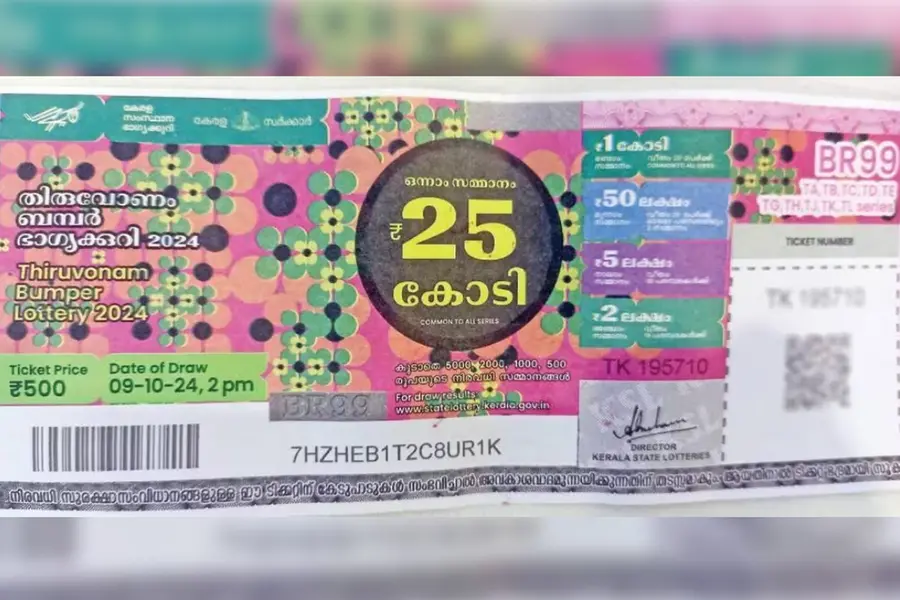
Digital platforms can also make older information easier to locate. An organised archive allows readers to identify a previous draw by date and compare it with their ticket records. Search features, downloadable documents and clear result categories can improve the experience. However, the quality of information depends on how regularly a platform updates its content and whether it clearly identifies the original source.
Advantages of Online Result Information
Online access provides several practical benefits. Readers can check published information without waiting for a printed newspaper, and they may be able to view previous result documents when reviewing an older ticket. Mobile accessibility also makes it easier to read information while travelling or managing everyday activities.
Nevertheless, convenience should not be confused with authenticity. A website can look professional without being officially connected to a government lottery department. Readers should examine the publisher’s identity, source references, update dates and result documents. They should also avoid websites that promise guaranteed winning numbers or claim to predict future lottery outcomes. Lottery draws are based on chance, and historical results cannot reliably determine future winning combinations.
Understanding Lottery Rules and Legal Requirements in India
Lottery activities in India are regulated under the Lotteries (Regulation) Act, 1998, along with the applicable rules and state-level requirements. The legislation establishes conditions under which state governments may organise, conduct or promote lotteries. These include requirements relating to ticket authenticity, the conduct of draws, prize distribution and other operational matters. It also gives states authority to prohibit the sale of tickets from lotteries organised by other states within their territories.
This means lottery participation is not governed by one identical rule across every part of the country. The legal position can depend on the state where a person is located and the particular lottery involved. Before purchasing a ticket, readers should check whether the relevant lottery is permitted in their state and whether its tickets are being sold through authorised channels. Merely finding a lottery result online does not establish that purchasing or selling its tickets is legally permitted in a particular location.
Why State-Level Rules Are Important
State-level rules help establish how lotteries can be operated and how participants can claim prizes. They may specify documentation requirements, authorised selling arrangements, claim deadlines and procedures for verifying winning tickets. These details are important because a participant who ignores the applicable rules may face difficulties during the prize-claim process.
For this reason, readers should not depend entirely on general information published by third-party websites. The relevant state lottery department should be consulted whenever there is uncertainty about ticket validity, eligibility or prize collection. Checking the rules before participating is more useful than trying to resolve a legal or documentation issue after a draw has taken place.
Prize Claim Process and Important Documentation
Winning a lottery prize is only the beginning of the verification process. A participant must follow the official procedure to establish that the ticket is genuine and eligible for payment. The original ticket is generally an essential document because it contains the identifying information required by the lottery authority. Participants should keep it safe, avoid damaging its printed details and refrain from handing it to unknown individuals.
The prize-claim procedure may depend on the prize amount and the rules of the specific lottery. Smaller prizes and larger prizes can have different payment arrangements, verification requirements and submission procedures. Identity documents, claim forms, photographs or banking details may be requested by the authorised department, depending on the applicable rules. The deadline for claiming a prize is particularly important, as unclaimed prizes may become ineligible for payment after the prescribed period.
Documents That May Be Required
Although requirements differ between lottery schemes, participants may be asked to provide certain documents during verification. These can include:
-
The original winning ticket in the required condition.
-
Valid identity and address proof.
-
A completed prize-claim application.
-
Bank account information and other documents specified by the authority.
Participants should obtain the latest documentation checklist directly from the relevant lottery department. They should never send original tickets or sensitive personal information to an unknown person claiming to represent a lottery organisation.
How to Identify Fake Lottery Websites and Fraudulent Messages
Online lottery searches sometimes expose users to misleading websites and fraudulent messages. These sources may use familiar lottery names, copied result sheets or attractive prize announcements to appear trustworthy. Some may even claim that a person has won a prize without purchasing a valid ticket. Such messages are designed to create excitement and encourage quick decisions.
People looking for Dear Lottery Sambad information should be especially careful when they encounter claims about guaranteed winnings, secret winning numbers or advance payments. A legitimate result cannot be established through a private message or an unofficial phone call. Participants should verify the draw and ticket through the appropriate authority before accepting any claim. They should also remember that a genuine prize process does not require sharing an OTP, password or account login details with a stranger.
Common Warning Signs of Lottery Scams
Some warning signs deserve particular attention because they frequently appear in online fraud attempts.
-
A message announces a prize even though the recipient has not purchased a valid ticket.
-
Someone demands an advance payment to release supposed winnings.
-
A caller requests an OTP, PIN, password or complete banking credentials.
-
A website promises guaranteed results or offers paid predictions for future draws.
If a suspicious message arrives, avoid responding or transferring money. Preserve relevant communication records and report suspected financial fraud through appropriate official channels.
Responsible Participation and Financial Awareness
Lottery participation should always be approached with financial awareness. Since the outcome of a lottery depends on chance, there is no dependable method of guaranteeing a win. Past results, number patterns and personal beliefs cannot provide certainty about a future draw. Anyone claiming to possess a guaranteed formula should be treated with caution.
It is also important to establish a clear spending limit before participating. Money needed for household expenses, education, healthcare, savings or other essential responsibilities should never be used for lottery tickets. Participants should avoid borrowing money, chasing previous losses or purchasing additional tickets because they believe a win is overdue. Every draw represents a separate uncertain outcome, and previous results do not make a particular number more likely to appear next time.
Responsible participation also means understanding when to stop. If lottery-related spending starts affecting personal finances, family relationships or everyday responsibilities, taking a break is a sensible decision. Lottery participation should never be considered a reliable source of income, an investment strategy or a replacement for regular employment.
Frequently Asked Questions About Dear Lottery Sambad
1. What Is Dear Lottery Sambad?
It is a commonly used search term associated with Dear Lottery results and related information. People generally search for it to understand draw announcements, winning numbers, prize categories and ticket verification. The information should always be checked against the relevant official state lottery documents.
2. How Can I Check the Latest Lottery Result?
First, identify the exact draw name and date printed on your ticket. Then compare your ticket details with the corresponding published result sheet. For confirmation of a winning ticket, follow the verification procedure provided by the responsible lottery department.
3. Are Online Lottery Results Always Official?
No. Some websites operate as independent information services and reproduce results for public convenience. Their information can be useful, but it should not automatically be treated as an official declaration. The state lottery department’s authenticated result document should be considered authoritative.
4. Can Previous Winning Numbers Predict Future Results?
No. Lottery draws are based on chance, and previous winning numbers cannot reliably predict future outcomes. Number histories may provide information about earlier draws, but they do not create a guaranteed method of selecting a winning ticket.
5. What Should I Do If My Ticket Appears to Have Won?
Keep the original ticket safe and verify every identifying detail against the official result sheet. Next, contact the appropriate lottery department or authorised claim centre to understand the documentation, submission requirements and deadline. Avoid paying unofficial agents to release a prize.
6. Is Lottery Participation Legal Everywhere in India?
No single answer applies to every state. Lottery activities are governed by central legislation and state-specific restrictions. Some states permit certain lotteries, while others prohibit the sale of tickets. Participants should check the applicable rules in their state before purchasing a ticket.
Conclusion
Dear Lottery Sambad remains a frequently searched topic among people interested in lottery results, draw information and prize announcements. With digital platforms making information more accessible, readers can find result summaries, previous draw records and ticket-related details more conveniently than before. However, convenience should always be supported by careful verification and an understanding of the official lottery rules.
The most important practice is to check the correct draw, date, ticket number and prize category before reaching any conclusion. Participants should rely on authenticated result documents, understand the applicable state regulations and follow the prescribed prize-claim procedure. They should also remain alert to fraudulent websites, fake winning messages and requests for advance payments.


