



Lottery Sambad is commonly searched by people who want quick access to lottery-related information, draw results, winning numbers, prize details, and guidance on understanding lottery announcements. Because lottery information can change from one draw to another, readers need to approach results carefully and rely on clearly presented information rather than rumors, forwarded messages, or unverified claims.
Understanding how a lottery draw works is useful even for someone who only checks results occasionally. A result normally relates to a particular draw date, draw time, series, and set of numbers or ticket identifiers. Checking all these details together is important because a number that appears in one draw does not automatically apply to another. Keeping the ticket safely available also makes the verification process easier.
How Lottery Results Are Generally Organized
Lottery results are usually presented according to a specific draw schedule. Depending on the lottery, a result may contain several categories, prize levels, series information, and winning numbers. The structure can look complicated when several results are announced close together, but the basic process is straightforward: identify the relevant draw, locate the published winning information, and compare it carefully with the ticket.
For anyone using lottery sambad information, the first step should always be identifying the exact date of the result. Date confusion is one of the easiest ways to misread lottery information. A person may see an old result shared online and mistakenly believe that it belongs to the current draw.
The draw time is also important. Some lottery programs publish separate results during different parts of the day. Therefore, readers should not assume that every number appearing on a results page belongs to the same draw.
What to Check Before Comparing a Ticket
A ticket should be checked against the correct result rather than against a number found through a general online search. Several details can help establish whether the comparison is accurate.
| Detail to Check | Why It Matters |
|---|---|
| Draw date | Confirms that the result belongs to the correct drawing |
| Draw time | Helps distinguish between multiple daily results |
| Lottery name | Prevents comparison with a different lottery |
| Series or ticket code | May be required for prize verification |
| Winning number | Identifies the published winning entry |
| Prize category | Shows which prize level may apply |
| Ticket condition | A valid, readable ticket is important for a claim |
When reviewing lottery sambad results, readers should compare each relevant field rather than focusing only on the final digits. A matching number without the correct series or draw information may not be sufficient to establish a winning ticket.
Why Result Verification Matters
Online lottery information can travel quickly, particularly through social media, messaging groups, blogs, and informal result pages. This speed can be convenient, but it also creates opportunities for outdated or inaccurate information to circulate.
A responsible reader should treat an online result as information that needs verification. If two sources display different numbers, the discrepancy should not be resolved by choosing whichever result looks more favorable. Instead, the reader should look for the officially published result or an authorized source associated with the particular lottery.
Another useful habit is to retain the original ticket until the result has been fully verified. A screenshot, forwarded message, or manually typed number is not a substitute for the actual ticket. Physical or official electronic records can contain information that is not visible in a simplified result summary.
Understanding Winning Numbers and Prize Categories
A lottery may have multiple prize categories rather than a single winning number. Depending on the particular lottery, prizes can be associated with different combinations, series, or matching requirements.
This is why simply seeing a familiar number on a result page should not immediately lead to the assumption that a prize has been won. The applicable rules determine whether a ticket qualifies.
People checking lottery sambad results should therefore pay attention to the prize structure accompanying the winning numbers. If the result is displayed in a table, readers should review the relevant row and category carefully.
Prize information may also require additional verification before a claim can be made. The result itself may identify a winning ticket, while the process for collecting the prize can involve separate rules concerning ticket validation, identification, deadlines, taxation, or authorized claim locations.
Avoiding Common Lottery Information Mistakes
Many errors happen because people rush through the checking process. A few simple habits can reduce unnecessary confusion.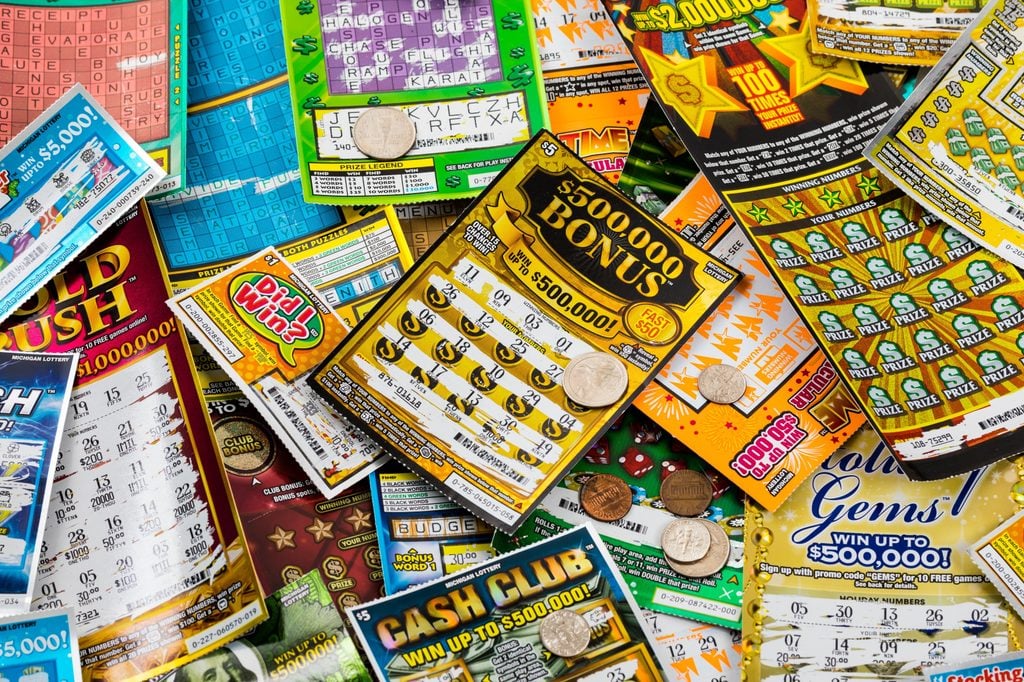
- Check the draw date before checking the number.
- Keep the original ticket in a safe place.
- Compare the complete ticket details, not just one number.
- Avoid treating predictions as confirmed results.
- Verify prize-claim instructions through an appropriate official channel.
A particularly common mistake is confusing predictions with results. Websites and social media accounts may discuss expected numbers, lucky combinations, previous patterns, or personal guesses. These discussions do not determine the outcome of a legitimate random draw.
Another mistake is relying on an old screenshot. Images can remain online long after the relevant drawing has ended, and a screenshot may not clearly show the date or draw identifier. Checking the surrounding information is therefore essential.
Using Lottery Information Responsibly
Lottery sambad searches can be useful when they help readers locate and understand publicly available result information. However, checking results should remain separate from making financial decisions based on expectations of winning.
Lottery outcomes are uncertain, and previous winning numbers cannot guarantee future results. A sequence that appeared recently does not become more or less certain simply because of its previous appearance. Random outcomes should not be interpreted as a predictable pattern without valid evidence.
Responsible participation also means setting personal limits. Lottery activity should not interfere with household expenses, savings, education, bills, or other essential financial priorities. People should view any lottery purchase as a form of entertainment rather than a dependable source of income.
How to Read a Result More Efficiently
A systematic checking method can make the process faster and reduce mistakes. Start by identifying the lottery and draw date. Next, confirm the draw time and series information. After that, compare the ticket number with the published winning details.
If a potential match appears, do not immediately assume that the prize is confirmed. Read the prize category and any associated conditions. Finally, use the appropriate official verification and claim procedure.
This approach is particularly helpful when several results are listed together. Instead of scanning a long page randomly, readers can narrow their attention to the specific draw they entered.
What to Do After Finding a Possible Match
Discovering that a ticket appears to match a published result can be exciting, but the next step should be careful verification rather than immediate celebration. Keep the ticket secure and avoid sharing unnecessary ticket details publicly.
The applicable lottery authority or authorized distributor can provide information about validation and prize collection. Claim procedures may vary depending on the lottery and prize category, so readers should follow the current requirements rather than relying on advice from unrelated online discussions.
Lottery sambad information can help with the initial comparison, but final prize verification should come through the appropriate authorized process.
Digital Tools and Better Result Checking
Modern readers often use smartphones to check lottery information because digital pages can be accessed quickly after a draw. A phone can also be useful for storing a private reminder of the draw date or organizing personal records.
However, convenience should not replace verification. Search results can contain duplicated pages, outdated posts, or information copied from another website. Readers should examine the date and context of the information before trusting it.
For regular participants, maintaining a simple record of ticket dates and draw identifiers can also make result checking more organized. This prevents confusion when multiple tickets are purchased for different drawings.
Conclusion
Lottery sambad searches can make it easier for readers to find lottery-related information, but accurate result checking requires attention to dates, draw times, ticket details, prize categories, and verification procedures. The safest approach is to compare the complete ticket with a properly published result and confirm any potential win through the appropriate authorized process.
Lottery results should never be treated as guaranteed income or as something that can be predicted through previous numbers. By checking information carefully, protecting the original ticket, avoiding unverified claims, and maintaining sensible spending limits, readers can approach lottery information in a more informed and responsible way.


