
Dear Lottery Sambad is commonly associated with lottery draws, published results, ticket information, and updates followed by people interested in state-authorized lotteries. For anyone searching for lottery information online, it is important to understand the difference between an official result, an unofficial prediction, a promotional message, and an unverified claim.
Lottery-related searches can become confusing because many websites use similar terminology while presenting information in different formats. A careful approach helps readers identify what information they are actually looking for and avoid relying on claims that have not been verified.
The most useful way to approach Dear Lottery Sambad is to treat it as a source-related search term rather than assuming that every result page carrying the phrase is an official lottery announcement. Readers should check the relevant state lottery authority, published draw information, and ticket details before considering any result valid.
What Is Dear Lottery Sambad?
The term Dear Lottery Sambad is generally used in online searches connected with lottery draws and results. The word “Dear” is associated with particular lottery series or draw names, while “Sambad” is commonly used in online lottery-result discussions.
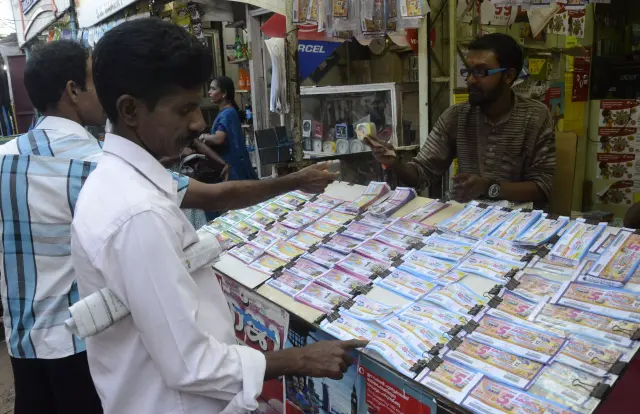
A lottery draw normally involves numbered tickets or entries and a predetermined process for selecting winning numbers. Results may then be displayed according to the draw date, draw number, prize category, and winning ticket number.
However, search-result pages should not automatically be considered authoritative. A website may reproduce information from another source, provide an old result, or publish predictions that have no official status. Understanding this distinction is essential for anyone checking lottery information online.
How Lottery Results Are Usually Presented
Lottery results are generally organized so readers can locate the relevant draw quickly. A result page may include the date of the draw, draw name, winning numbers, prize categories, and instructions for verifying a ticket.
For example, a simplified result structure might look like this:
| Information | What It Tells You |
|---|---|
| Draw Name | Identifies the particular lottery or series |
| Draw Date | Shows when the selection took place |
| Draw Number | Distinguishes one draw from another |
| Winning Number | Identifies the selected ticket or number |
| Prize Category | Indicates the relevant prize level |
| Verification Source | Helps confirm whether the result is authentic |
This format makes it easier to compare a physical ticket with published information. Nevertheless, the final authority should always be the applicable lottery authority or an officially recognized publication rather than an unverified third-party page.
Why Checking the Draw Date Matters
One common mistake when searching for Dear Lottery Sambad is looking only at the winning number without confirming the date. Lottery draws are separate events, so a number from one draw cannot automatically be applied to another.
A result page may remain visible online long after its original publication. Someone searching quickly could mistake an older result for a current one. Checking the draw date, draw time, and draw identification helps prevent this type of confusion.
It is also useful to compare the information with an official announcement. If two sources display different numbers, readers should not assume that the newer-looking page is correct. Verification is more important than speed.
Understanding Predictions Versus Actual Results
Online lottery discussions often include predictions, number combinations, lucky numbers, or suggested patterns. These should not be confused with confirmed results.
A prediction is an opinion or speculative selection made before a draw. An actual result is produced after the authorized drawing process has taken place. No prediction can guarantee a winning outcome, regardless of how confidently it is presented.
Searchers interested in Dear Lottery Sambad should therefore distinguish carefully between words such as “prediction,” “guess,” “today’s number,” “result,” and “official announcement.” These terms can describe completely different types of information.
Past winning numbers also do not create a reliable method for predicting future results. Random lottery selections do not become predictable simply because certain numbers appeared more frequently in previous draws.
How to Check Lottery Information Carefully
When reviewing Dear Lottery Sambad information, a few basic verification habits can make the process safer and more reliable.
- Confirm the exact draw date and draw name.
- Compare the result with an authorized lottery source.
- Check every digit on the ticket instead of relying on memory.
- Be cautious of websites promising guaranteed winnings.
- Never share sensitive financial or identification information merely to “claim” an online prize.
A legitimate prize-verification process should not require someone to send money to an unknown person simply because a website says they have won. Unexpected messages asking for processing charges, registration fees, taxes paid through unusual methods, or personal banking credentials deserve particular caution.
Why Responsible Participation Matters
Lotteries are forms of gambling, and outcomes are based on chance rather than skill. A person cannot improve the certainty of winning by repeatedly studying previous numbers or following internet predictions.
Anyone who chooses to participate should understand the financial risks beforehand. Lottery spending should never interfere with essential expenses such as food, housing, education, healthcare, or household bills.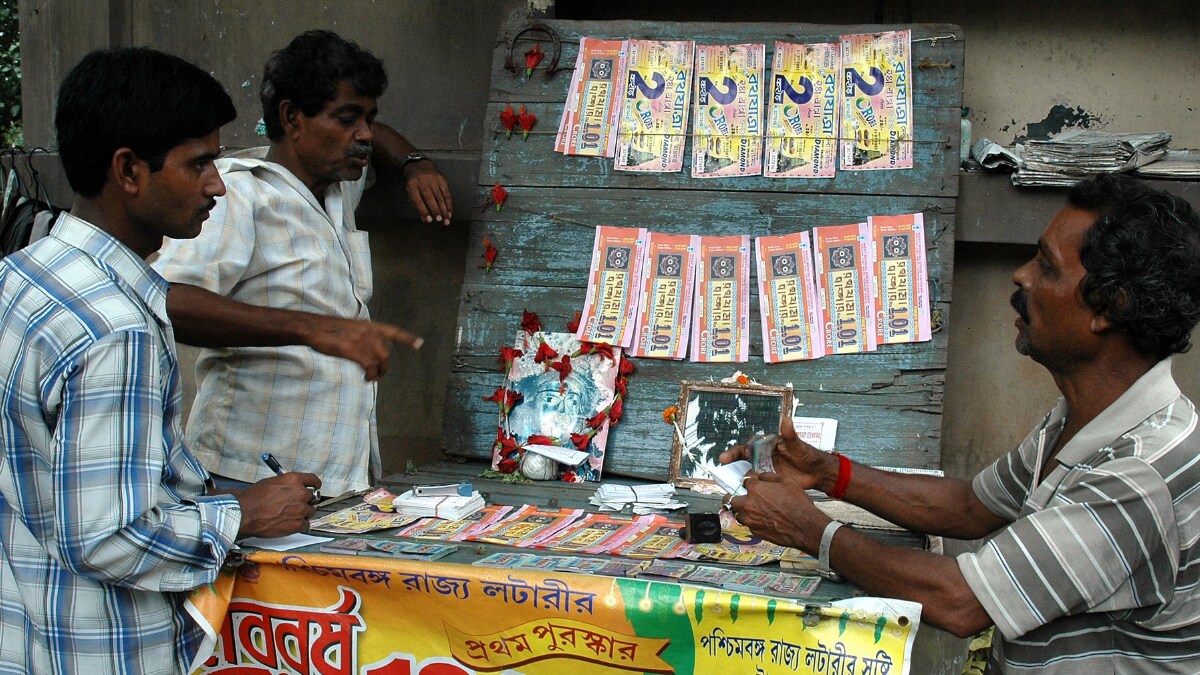
Searching for Dear Lottery Sambad results should also remain separate from assumptions about guaranteed income. A lottery prize is uncertain, while everyday financial responsibilities are not. Keeping those two ideas separate can help people make more sensible decisions.
People who find themselves spending more than intended, chasing losses, borrowing money to continue playing, or feeling unable to stop should consider stepping away and seeking appropriate support.
Common Misunderstandings About Lottery Numbers
Several misconceptions can make lottery information appear more predictable than it really is. One popular belief is that a number that has not appeared recently is somehow “due.” Another is that a number appearing several times is more likely to appear again.
Neither idea provides a dependable way to forecast a random draw.
The same principle applies to color patterns, repeated digits, previous jackpot numbers, or personal lucky numbers. Such ideas may be interesting from a cultural or entertainment perspective, but they should not be treated as mathematical guarantees.
When reviewing Dear Lottery Sambad information, readers benefit from separating entertainment and personal beliefs from verified facts about the actual draw.
Legal and Regional Considerations
Lottery laws can vary by jurisdiction. In India, lottery activities are subject to legal and regulatory conditions, and the rules applicable to a particular lottery may depend on the state involved.
That means readers should not assume that a lottery available or discussed online is automatically permitted everywhere. The location of the lottery, the authority conducting it, and applicable state regulations can all matter.
Before purchasing or participating, individuals should check current rules from the appropriate government or lottery authority. This is especially important when information is being obtained from social media posts, messaging groups, or unfamiliar websites.
How to Avoid Misleading Lottery Websites
The popularity of Dear Lottery Sambad searches can also attract websites that use attention-grabbing headlines. Some pages may mix genuine result information with advertisements, predictions, or unsupported claims.
Readers should be especially careful when a page uses phrases such as “guaranteed number,” “fixed result,” or “100% winning prediction.” Random lottery outcomes cannot legitimately be guaranteed in advance.
Another warning sign is a website that asks visitors to provide passwords, card details, one-time passwords, or banking credentials. Such information should never be shared simply because a page claims to offer lottery results or prizes.
A reliable approach is to use third-party pages only for general reference and confirm important details through an authoritative source.
A Better Way to Read Lottery Results
Instead of focusing only on whether a number appears to be a winner, readers should examine the complete context surrounding the result. The draw name, date, number, prize category, and verification source should all match.
For people researching Dear Lottery Sambad, this method is more useful than relying on isolated screenshots or forwarded messages. Screenshots can be edited, copied from older results, or shared without enough context.
Keeping a clear distinction between verified results and promotional content also reduces the likelihood of misunderstanding what a page actually provides.
Conclusion
Dear Lottery Sambad is a commonly searched phrase connected with lottery results and draw-related information, but not every page using the term should automatically be treated as an official source. Readers should verify draw dates, winning numbers, prize categories, and relevant rules before accepting any result as genuine.
Most importantly, lottery participation involves chance and financial risk. Predictions cannot guarantee outcomes, and previous results cannot reliably determine future numbers. By checking authoritative information, protecting personal details, understanding local regulations, and maintaining responsible spending habits, readers can approach lottery-related information with greater awareness and caution.


