


Lottery-related searches can quickly lead to a large amount of information, including result announcements, draw schedules, ticket details, prize categories, and unofficial claims. For anyone researching lottery sambad lottery sambad, the most important step is learning how to distinguish reliable information from misleading or incomplete updates.
Lottery results are time-sensitive, so users should pay attention to the draw date, draw number, published result, and applicable rules. A result should never be considered genuine simply because it appears on a social media post, messaging group, or unfamiliar website. Official announcements and authorized sources remain the safest way to confirm whether a particular result is accurate.
Understanding how lottery information is organized also makes it easier to read results correctly. Rather than focusing only on a winning number, readers should check the complete announcement and confirm that the date and draw information match the ticket or record they are examining.
Why People Search for Lottery Results
People may search for lottery sambad lottery sambad when they want to understand a recently announced draw or locate information about a particular lottery result. Search behavior often increases around scheduled draw times because participants want to know whether a particular number has appeared among the announced results.
However, a search result does not automatically represent an official announcement. Search engines can display pages created by third parties, archived information, commentary, or promotional material. This makes source verification an important part of responsible lottery information research.
A useful approach is to treat online result pages as informational references until the information has been confirmed through an authorized lottery organization or government-recognized source. This is especially important when money or prize claims are involved.
How to Read a Lottery Result Correctly
A lottery result may contain several pieces of information rather than a single number. Depending on the lottery, the announcement can include the draw date, draw identification, winning numbers, prize categories, and instructions concerning prize claims.
When checking lottery sambad lottery sambad, readers should compare these details instead of looking only for a familiar number. A matching number without a matching draw date could belong to an entirely different announcement.
The following table highlights the information worth checking:
| Result Detail | What to Check | Why It Matters |
|---|---|---|
| Draw date | Exact date of the announcement | Prevents confusion between different draws |
| Draw number | Published draw identification | Helps identify the correct result |
| Winning number | Number shown in the official result | Confirms the announced outcome |
| Prize category | Applicable prize level | Determines the relevant prize information |
| Claim instructions | Official procedure and deadline | Helps avoid invalid or fraudulent claims |
| Issuing authority | Authorized organization | Establishes whether the result is trustworthy |
Carefully comparing these details reduces the possibility of relying on an outdated result or an incorrectly reproduced announcement.
Official Information Should Come First
When researching lottery sambad lottery sambad, source quality should be considered more important than speed. An unofficial page may publish a result quickly but still contain transcription errors. A trustworthy source should clearly identify the lottery, draw date, and organization responsible for the announcement.
Official lottery authorities generally provide rules about ticket validity, prize claims, deadlines, and documentation. These rules can vary depending on the jurisdiction and lottery involved.
Readers should therefore avoid assuming that information from one lottery applies to another. Even if two draws use similar terminology, their procedures may be different.
Understanding the Difference Between Results and Predictions
One common source of confusion is the difference between an actual result and a prediction. A published result describes the outcome of a completed draw. A prediction, guess, chart, or number suggestion does not establish what the official draw will produce.
Searches for lottery sambad lottery sambad can sometimes expose pages mixing genuine result information with speculative number-related content. Readers should recognize that historical numbers do not guarantee future outcomes.
Lottery draws are generally designed around chance, meaning previous results should not be treated as a reliable method for determining future winning numbers. Claims promising guaranteed results or secret winning formulas should therefore be viewed with strong skepticism.
How to Spot Misleading Lottery Information
Online lottery content can include misleading advertisements, fake prize messages, copied results, and requests for personal information. Some fraudulent messages claim that a person has won a prize even when they never purchased or legitimately participated in the relevant lottery.
When checking lottery sambad lottery sambad, users should watch for warning signs such as:
- Requests for advance payments before a prize can supposedly be released.
- Messages asking for banking passwords, one-time passwords, or sensitive identity information.
- Claims of guaranteed winnings or secret prediction methods.
- Results that do not provide a clear draw date or issuing authority.
- Pressure to act immediately without allowing time for verification.
A legitimate prize process should be based on the rules of the applicable lottery rather than an unexpected message demanding money or confidential information.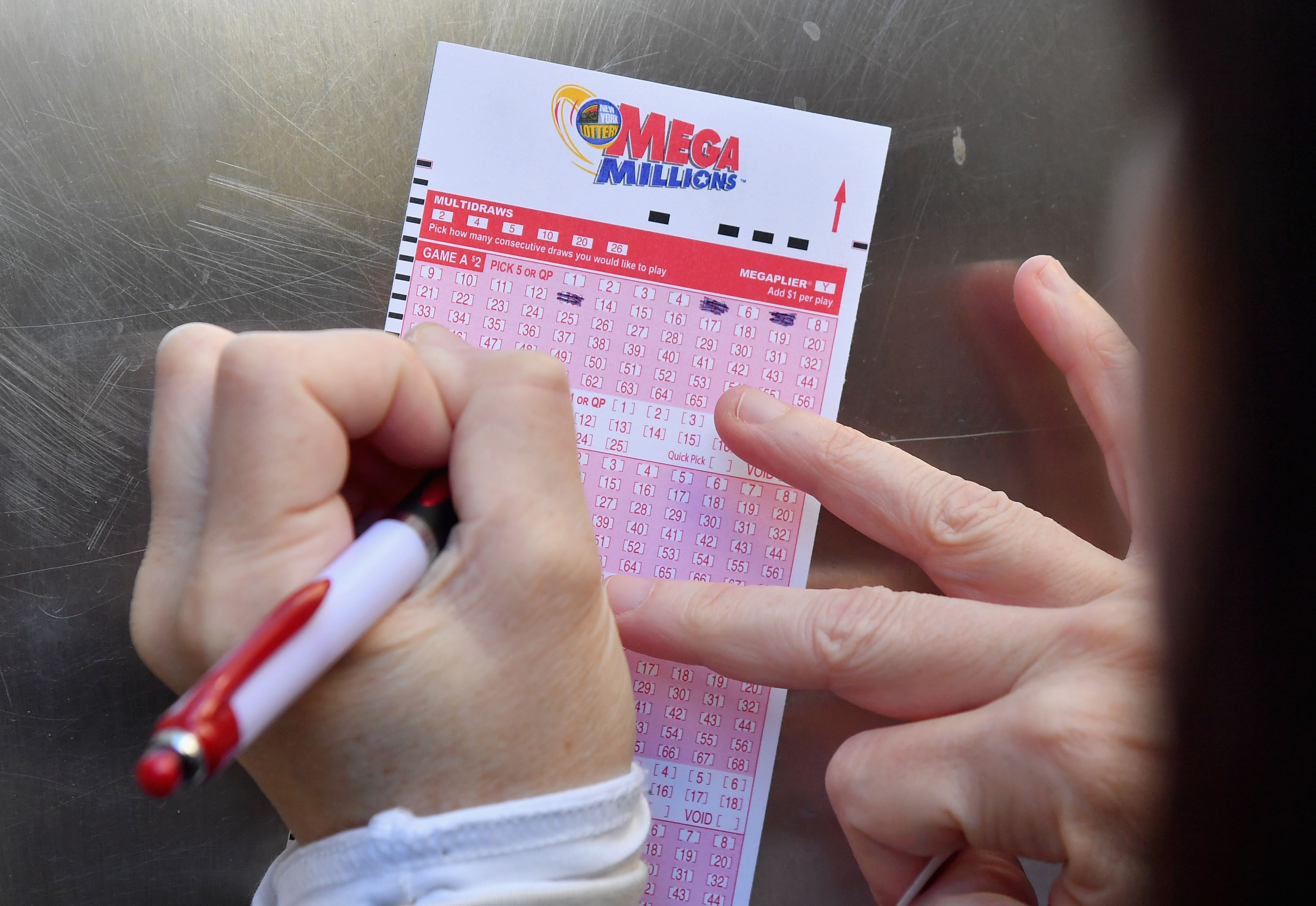
Why Draw Dates and Time Matter
A result has meaning only when it is connected to the correct draw. This is particularly important when multiple draws are announced within a short period.
For someone checking lottery sambad lottery sambad, recording the relevant date and draw identification before comparing numbers can prevent simple mistakes. A result from an earlier draw should not be interpreted as a current announcement simply because the number looks familiar.
Keeping the original ticket or participation record, where legally applicable, can also make verification easier. Any claim should be checked against the official rules rather than relying on screenshots circulated online.
Responsible Approach to Lottery Information
Lottery participation can involve financial risk, and people should avoid treating it as a dependable source of income. A responsible approach means understanding the rules, recognizing that outcomes are uncertain, and never spending money that is needed for essential expenses.
When researching lottery sambad lottery sambad, the focus should remain on accurate information rather than promises of guaranteed profit. No result-checking method can change the underlying chance involved in a random draw.
People should also be cautious about repeated participation driven by the desire to recover previous losses. Chasing losses can lead to increasingly poor financial decisions. Setting personal limits and following applicable laws are important parts of responsible behavior.
What to Do After Finding a Possible Winning Result
Finding a matching number is only the beginning of the verification process. The result should be compared with the official announcement, ticket details, draw date, and relevant prize category.
A person should not pay an unknown individual who claims to be an agent capable of releasing winnings. Instead, the official claim procedure should be followed exactly.
For lottery sambad lottery sambad searches, this distinction is particularly useful because copied or unofficial result pages can create confusion. If a substantial prize appears to be involved, verifying the information through the authorized lottery organization is more appropriate than relying on online comments or messages.
Keeping Lottery Searches Safe and Useful
Good online habits can make result research safer. Users should avoid entering sensitive information into unfamiliar pages and should be skeptical of pop-ups or messages promising instant prizes.
It is also useful to check the publication date of a result. Older articles can remain visible in search results long after a draw has ended. A current-looking page may therefore contain information that is no longer relevant.
Readers searching lottery sambad lottery sambad should compare information from reliable sources whenever there is uncertainty. If two pages display different numbers or dates, neither should automatically be treated as correct. The issuing authority should be used as the final reference wherever possible.
Common Mistakes When Checking Results
Several simple mistakes can make result verification difficult. One is checking only the last few digits of a number without confirming the complete ticket or draw details. Another is assuming that a screenshot is proof of an official announcement.
Other mistakes include confusing a prediction with a confirmed result, overlooking claim deadlines, and responding to unsolicited prize messages.
A careful reader should always ask three basic questions: Is this the correct draw? Is the source authorized? Does the information match the applicable official rules? These questions can prevent many avoidable errors.
Conclusion
Reliable lottery information depends on careful verification rather than speed or speculation. Searches for lottery sambad lottery sambad can help people locate general result information, but the final confirmation should come from an authorized source connected with the relevant lottery.
Checking the draw date, number, prize category, issuing authority, and claim procedure provides a stronger basis for understanding a result. Users should also remain alert to fake prize messages, requests for advance payments, and unsupported claims about guaranteed winning numbers. Most importantly, lottery outcomes are uncertain, and participation should never be treated as guaranteed income. By checking information carefully, protecting personal details, following applicable rules, and maintaining a responsible approach to spending, readers can make their lottery-related research more informed and safer.


