


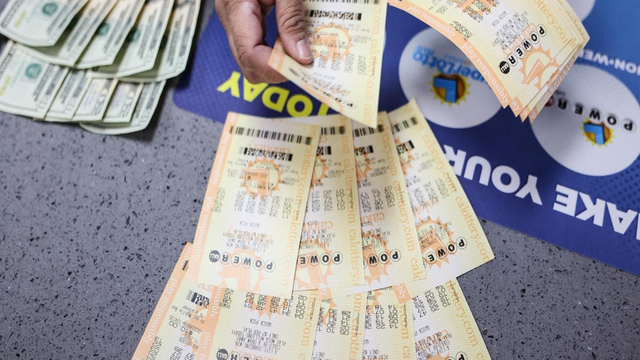
Lottery Sambad is commonly searched by people who want to follow lottery-related updates, result announcements, draw schedules, and ticket information in one place. Because lottery information can change quickly, readers need to distinguish between an official result, a reported update, an old result, and an unverified claim. A careful approach makes it easier to use online lottery information without relying on misleading screenshots or unofficial promises.
What Is Lottery Sambad?
Lottery Sambad is a search term associated with online lottery result information, draw updates, and related announcements. People may use it when looking for results connected with particular lottery draws or when trying to understand when and where results are published.
The term itself should not be treated as proof that every website using the phrase is an official lottery authority. Search results can include news pages, result aggregators, blogs, social media posts, and other third-party sources. These pages may present useful information, but their accuracy and update speed can differ.
A responsible reader should therefore focus on the information behind the page rather than relying only on its title. Check the draw name, date, result number, ticket series, and publication source before considering an entry a confirmed result.
Why People Search for Lottery Results Online
Online searches are useful because lottery participants often need information at a specific time. A person may want to know whether a particular draw has been announced, when a result is expected, or where the winning numbers are published.
However, speed creates a verification challenge. A page may publish an early update that is later corrected. A social post can also display an incomplete number or an old draw. This is why checking the original announcement remains important.
How to Check a Lottery Result Carefully
When using a lottery result page, start by identifying the exact draw. Do not compare a ticket with a number simply because the number looks familiar. Confirm the draw date, draw name, series, and any other identifying information printed on the ticket.
A practical checking process includes:
- Read the draw date and time shown on the result.
- Match the ticket number and series carefully.
- Compare the information with an authorized or recognized source.
- Keep the original ticket or purchase record for verification.
- Check official claim rules before assuming that a prize can be collected.
These steps reduce mistakes caused by outdated pages, copied results, or similar-looking draw names.
Understanding Draw Dates and Result Timing
Timing is an important part of lottery information. A result search performed too early may return a previous draw, an expected schedule, or an unconfirmed update. Readers should pay attention to the difference between a draw schedule and an announced result.
A schedule tells you when an event is planned. A result confirms what happened after the draw. Those are different pieces of information and should not be treated interchangeably.
The same principle applies to repeated draws. If two draws have similar names or occur on the same day, checking the complete identifier can prevent confusion. Saving the date and draw details with a ticket makes later verification easier.
Key Details to Compare
A useful result check should focus on several details rather than one number. The following table provides a simple framework for reviewing lottery information.
| Detail | What to Check | Why It Matters |
|---|---|---|
| Draw name | Exact lottery or draw title | Prevents mixing different draws |
| Date | Published draw date | Helps identify the correct result |
| Time | Scheduled or announced time | Distinguishes current and previous updates |
| Ticket number | Full number or combination | Reduces matching errors |
| Series | Letters or series information | Important where tickets use series |
| Source | Official or recognized publication | Helps verify authenticity |
| Claim rules | Prize and claim instructions | Clarifies the next legitimate step |
Using these details together is safer than relying on a cropped image, forwarded message, or headline alone.
Avoiding Fake Lottery Result Claims
Searches for lottery results can sometimes lead to misleading claims. Some pages may promise guaranteed winning numbers, prediction formulas, insider information, or unusually high returns. Such claims should be treated cautiously because a prediction is not the same as an official result.
A genuine result does not need exaggerated language to establish its validity. It should identify the draw and provide information that can be independently checked. Be especially careful when a page asks for money, personal details, banking information, or account credentials merely to reveal a supposed winning number.
Users should also be cautious with unsolicited messages. A notification saying that you have won a prize can be fraudulent, particularly if you never purchased a ticket for the named draw. Do not send fees or sensitive information simply because a message uses lottery-related branding.
Responsible Use of Lottery Information
Lottery participation involves financial risk, and results are based on chance rather than a guaranteed method of success. Information about previous numbers, patterns, or historical draws cannot create certainty about a future outcome.
Readers can keep the activity within reasonable limits by treating any spending as discretionary rather than as a source of income. It is also useful to avoid chasing losses. Losing money in one draw does not make a future win more likely.
If gambling starts affecting essential expenses, borrowing, relationships, work, or daily routines, stepping away and seeking appropriate support can be an important practical decision. Responsible behavior is more important than following frequent result updates.
Using Lottery Sambad Searches More Effectively
A more precise search can save time and reduce confusion. Instead of relying on a broad phrase alone, users can add the draw date, lottery name, or result type they need. This helps narrow the information to a specific event.
For example, someone checking an evening draw can search for the relevant date and draw name rather than assuming that the newest page is automatically correct. Similarly, readers looking for an older result should include the historical date so that current results do not replace the information they actually need.
It is also helpful to compare information from more than one reliable source when an announcement appears uncertain. If two pages disagree, the disagreement is a reason to pause and verify rather than select the number that looks most favorable.
Common Mistakes When Checking Results
One common mistake is reading only the first few digits of a ticket. Full numbers and series information may be necessary for an accurate match. Another mistake is confusing an advertised prize with the actual result.
Readers can also overlook the publication date of a webpage. A result page that ranks highly in search may still refer to an earlier draw. Cached screenshots and social media posts create a similar problem because they can circulate long after the original event.
Another issue is assuming that every website using the same lottery-related terminology has the same authority. Website design, logos, or confident wording do not independently prove that a page is an official source.
What to Do After Finding a Winning Number
If your ticket appears to match a published winning result, do not immediately share personal information with an unknown person who contacts you. First verify the result through the appropriate authority and review the applicable claim procedure.
Keep the physical ticket, receipt, or other legitimate proof of purchase in a secure place. Follow the stated deadline and identification requirements for the relevant lottery. Claim procedures can differ, so readers should not rely on advice copied from an unrelated draw or another jurisdiction.
If the result does not match, avoid trying to recover the loss by immediately purchasing more tickets. A new purchase does not change the probability of a previous outcome and can turn a small expense into uncontrolled spending.
Conclusion
Lottery Sambad searches can be useful for finding lottery-related results, draw schedules, and updates, but the quality of the information depends on careful verification. Readers should confirm the exact draw, date, ticket details, and source before treating a number as final.
The most useful habit is to separate confirmed results from predictions, rumors, and promotional claims. Online convenience can make information easier to find, but it does not remove the need for source checking. By using reliable publications, protecting personal information, keeping ticket records, and maintaining sensible spending limits, readers can approach lottery information with greater awareness and caution.


